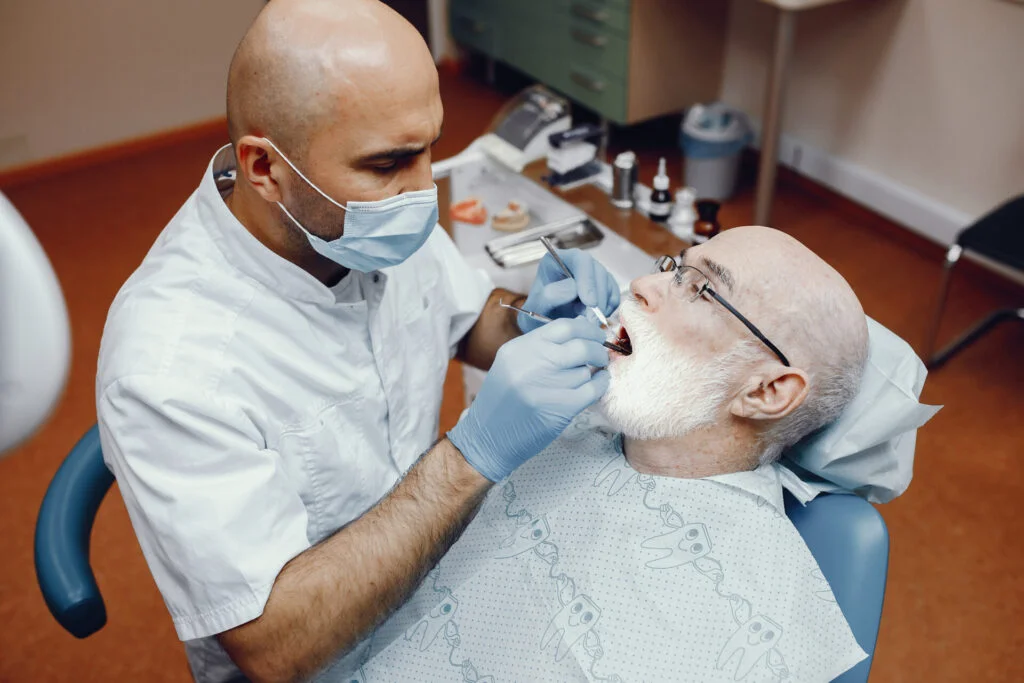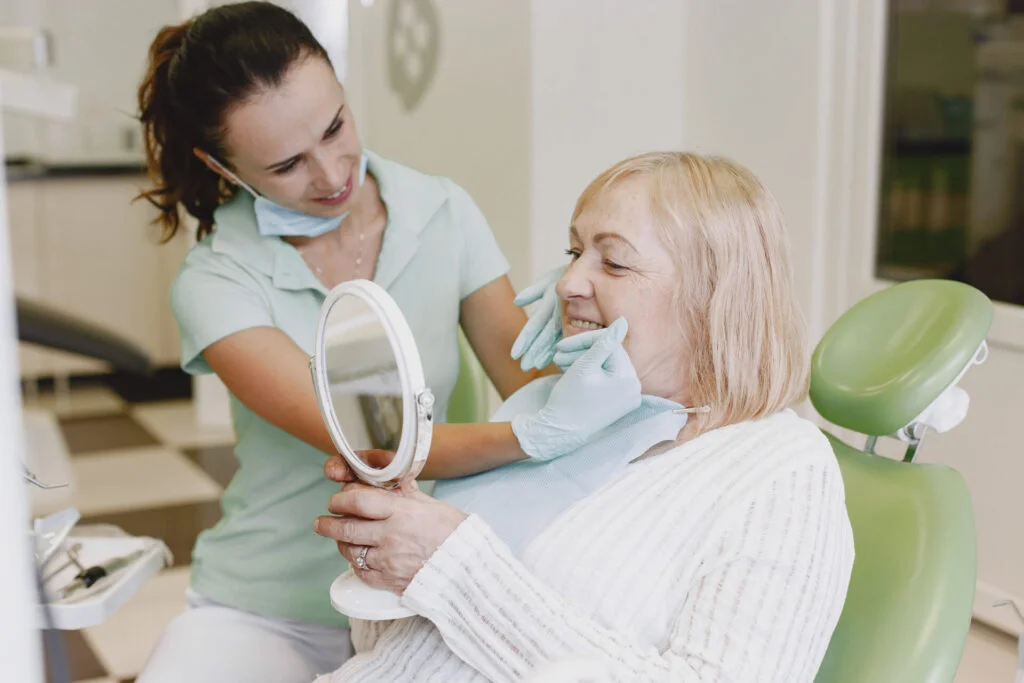
Many older adults still prefer or need to visit a traditional dental clinic for their care. Whether you are living independently, with family, or in a senior residence that doesn’t have on‑site services, understanding how to manage dental visits for seniors at the clinic is essential. This Q&A walks through what to expect and how to choose a clinic that truly understands senior needs.
1. What should seniors expect during a modern dental check‑up?
A typical senior dental visit at the clinic includes:
- A review of your medical history and medications.
- An examination of teeth, gums, tongue, and soft tissues.
- Screening for oral cancer and signs of infection.
- X‑rays when needed to check roots, bone health, and hidden decay.
- A professional cleaning to remove plaque and tartar.
The dentist may also ask about dry mouth, pain, difficulty chewing, or changes in taste. These questions help tailor care to your particular needs and can catch problems early before they become emergencies.
2. How often should seniors visit the dentist?
While recommendations vary, many seniors benefit from dental check‑ups every six months. Some may need more frequent visits—for example, those with:
- Diabetes or conditions that affect healing.
- A history of gum disease.
- Dry mouth caused by multiple medications.
- Dentures or partials that need monitoring and adjustments.
The dentist can recommend a schedule based on your overall health, oral health, and risk factors. The key is consistency; regular appointments make it easier to prevent serious problems.
3. What makes a dental clinic “senior‑friendly”?
A senior‑friendly dental clinic focuses on comfort, accessibility, and clear communication. Features to look for include:
- Barrier‑free access: ramps, elevators, wide doorways, and accessible restrooms.
- Comfortable seating and minimal wait times.
- Staff who speak clearly, explain procedures step‑by‑step, and are patient with questions.
- Extra time built into appointments for rest, discussion, or medical considerations.
A senior‑friendly clinic also understands how to coordinate with family members or caregivers when needed, while still respecting the senior’s independence and privacy.
4. How can seniors and families prepare for clinic dental visits?
Preparation helps the visit go smoothly and improves safety:
- Bring an up‑to‑date list of medications and health conditions.
- Note any new symptoms—pain, bleeding, sores, difficulty chewing, or bad breath.
- If mobility is limited, ask in advance about parking, drop‑off areas, and assistance.
- Consider having a family member or support person present, especially if treatment decisions are needed.
Wearing comfortable clothing, allowing extra travel time, and bringing any dentures or appliances (even if you’re not wearing them) also help the appointment run smoothly.
5. How do you choose the right dentist for senior dental care?
When selecting a dentist for dental services for seniors, consider:
- Training and experience with geriatric patients and complex medical histories.
- Willingness to coordinate care with physicians and other health providers.
- Flexible scheduling and options for longer or shorter visits as needed.
- Clear explanations about treatment options, costs, and insurance or benefit coverage.
- A respectful, calm manner that makes the senior feel comfortable, not rushed.
If possible, schedule a consultation or simple check‑up before major work. This gives you a chance to see how the dentist and team interact with you or your loved one.
6. When should seniors consider switching from clinic visits to mobile or on‑site dental care?
As health, mobility, or transportation needs change, it may become harder to attend regular clinic appointments. Signs it might be time to explore mobile or on‑site options include:
- Increased difficulty walking, transferring, or getting in and out of vehicles.
- Frequent cancellations due to fatigue, pain, or medical appointments.
- Cognitive changes that make travel overwhelming or confusing.
In these cases, families can ask the current dentist if they work with mobile providers or can recommend senior dental services that come to the home or residence. The goal is to keep dental care going in the safest, most comfortable way possible.