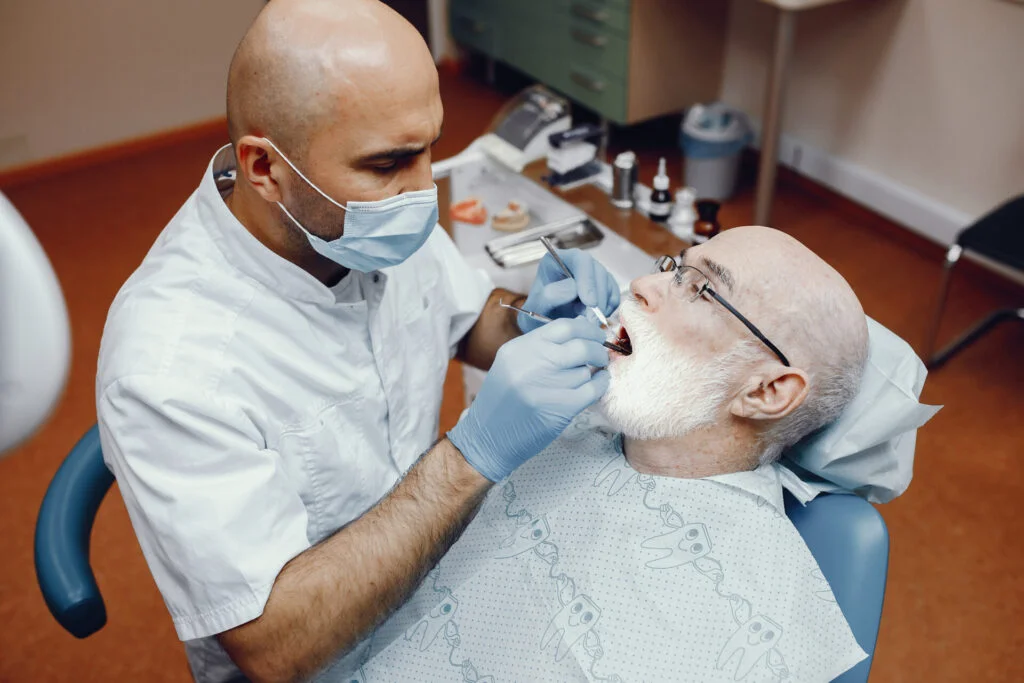
Regular dental visits are essential for seniors, but mobility, health issues, and transportation can make getting to a dental clinic difficult. Many retirement homes and assisted living communities now partner with mobile or on‑site dental providers so residents can receive care where they live. This Q&A explains how dental services for seniors in retirement homes work and how to choose the right provider.
1. Why are regular dental visits so important for seniors?
As we age, oral health affects much more than just our smile. Poor dental health can contribute to pain, difficulty eating, poor nutrition, infections, and even worsening of conditions like heart disease or diabetes.
Dry mouth from medications, gum disease, tooth loss, and ill‑fitting dentures are common in older adults. Regular dental visits help detect problems early, adjust dentures and partials, and keep gums and remaining teeth as healthy as possible. For seniors in retirement homes, routine dental care is a key part of overall health and comfort.
2. How do on‑site dental services work in senior homes?
On‑site or mobile dental services bring the dental team directly into the retirement home. Depending on the provider, they may set up:
- A portable dental chair and equipment in a designated room.
- Mobile tools to do exams, cleanings, fillings, and denture work.
- Regular visiting schedules (for example, monthly or quarterly clinics).
Residents can often book appointments through the home’s wellness or nursing team. This model reduces the need for transportation, long waits, and stressful transfers in and out of vehicles. For families, it offers peace of mind knowing dental care happens in a familiar, accessible environment.
3. What services can seniors usually receive during on‑site dental visits?
While each provider is different, common services include:
- Dental exams and oral cancer screenings.
- Professional cleanings and fluoride treatments.
- Fillings, simple extractions, and treatment of gum disease where appropriate.
- Denture fittings, relines, repairs, and adjustments.
- Oral hygiene education tailored to seniors and caregivers.
For seniors with complex medical needs, the dental team often coordinates with the home’s nurses or physicians to ensure care is safe and appropriate. In some cases, more advanced procedures may still require a trip to a full clinic, but much routine care can be done on‑site.
4. How can retirement homes and families prepare residents for dental visits?
Good preparation can make dental visits more comfortable and less stressful:
- Schedule appointments at times when the resident is usually most alert and calm.
- Share medical information and medication lists with the dental team in advance.
- For residents with dementia, use simple explanations, visual cues, and familiar staff support.
- Encourage residents to ask questions and express any worries or discomfort.
Staff and families can also help maintain daily oral care—brushing, flossing or interdental cleaning, and denture cleaning—so that professional visits build on good everyday habits.
5. What should senior homes look for when choosing a dental provider?
When selecting dental services for seniors in a retirement home, important factors include:
- Experience with older adults, dementia care, and complex medical conditions.
- Clear explanation of services, fees, and what is covered by insurance or public programs.
- A gentle, patient approach and the ability to adapt to mobility and cognitive limitations.
- Reliable visiting schedule and communication with families and staff.
By partnering with the right dental team, retirement homes can make dental visits simple, respectful, and consistent—supporting residents’ health, comfort, and confidence.