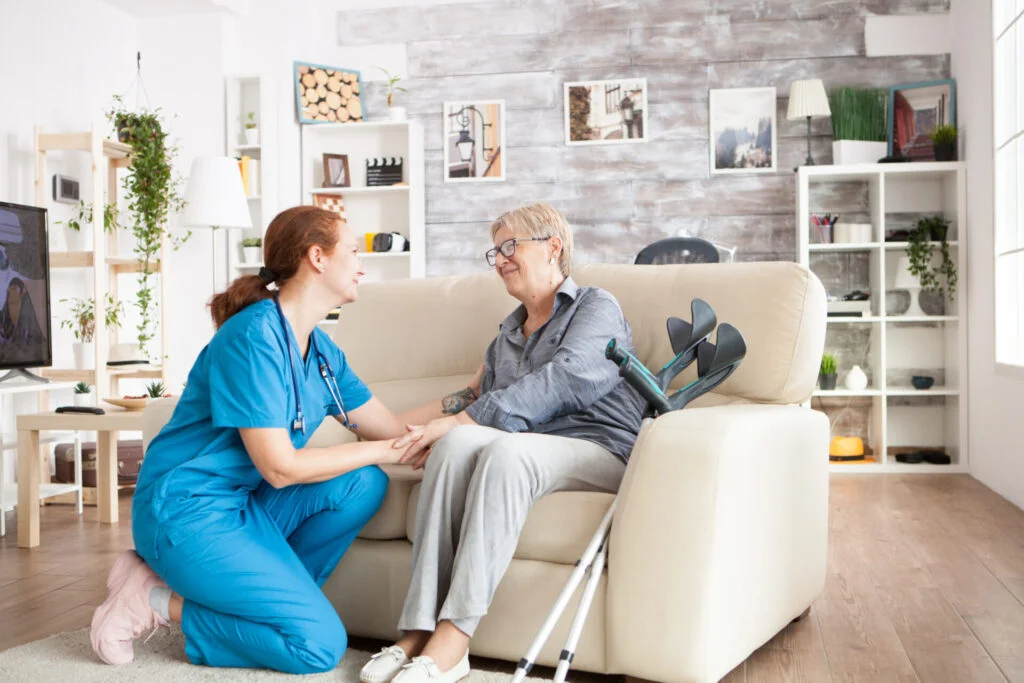
Ontario seniors and their families are increasingly looking for mobility support and assisted living services that make daily life safer, easier, and more dignified. This Q&A guide explains what these services include, why they matter, and how to choose the right level of help for you or your loved one.
1. What are mobility support services for seniors?
Mobility support services are designed to help seniors move safely in and around their home or residence. They focus on preventing falls, reducing pain, and making daily tasks like getting out of bed, using the bathroom, and walking to meals more secure and comfortable.
These services can include help with walking, transferring from bed to chair, using walkers or canes properly, and navigating hallways or stairs. In many assisted living or retirement settings, trained staff or personal support workers are available to provide “stand‑by” assistance—staying close while a senior walks—or “hands‑on” support when more help is needed. The goal is always to promote as much independence as possible while keeping safety the top priority.
2. What does “daily assisted living” mean for seniors?
Daily assisted living refers to support with everyday activities that may have become difficult due to aging, illness, or mobility changes. These activities—often called Activities of Daily Living (ADLs) and Instrumental Activities of Daily Living (IADLs)—include:
- Bathing or showering
- Dressing and undressing
- Using the toilet safely
- Getting in and out of bed or chairs
- Eating meals
- Managing medications
- Light housekeeping, laundry, and meal preparation
In an assisted living or retirement home, staff provide varying levels of help depending on what each resident needs. Some seniors may only require reminders and occasional support, while others benefit from scheduled, hands‑on assistance throughout the day. Daily assisted living services allow seniors to remain in a more home‑like environment instead of moving to a higher‑care setting sooner than necessary.
3. How do mobility support and assisted living services improve safety and independence?
Mobility and assisted living services work together to create a safer environment while preserving independence. When seniors receive the right level of help:
- Falls are less likely, because someone is available to assist with transfers, walking, and using mobility aids correctly.
- Daily routines—getting dressed, bathing, going to meals—become more predictable and less stressful.
- Seniors can conserve energy for meaningful activities like social events, hobbies, and family visits, instead of using all their strength on basic tasks.
- Families gain peace of mind knowing there is support on‑site if something changes or an emergency occurs.
Rather than taking control away, good assisted living services are designed to “do with” the senior rather than “do for” them whenever possible. This approach helps maintain confidence and functional ability, which are key to aging well.
4. What types of mobility aids and supports are commonly used in assisted living?
Assisted living communities and home‑care services often use a combination of equipment and human support to improve mobility. Common aids include:
- Walkers, canes, and rollators for balance and support.
- Grab bars and handrails in bathrooms, hallways, and near beds.
- Raised toilet seats, shower chairs, and non‑slip mats.
- Bed rails or grab poles to assist with getting in and out of bed.
- Wheelchairs or transport chairs for longer distances.
Staff are typically trained to help seniors use these devices safely and to monitor when equipment needs adjustment, replacement, or a professional assessment (for example, from a physiotherapist or occupational therapist). Choosing the right combination of aids can dramatically reduce risk and make everyday movement more comfortable.
5. How can families and seniors decide when it’s time to consider assisted living or added support?
It’s common for families to wonder when “a little help” becomes “not enough.” Signs it may be time to explore assisted living or added mobility support include:
- Increased falls, near‑falls, or fear of falling.
- Noticeable weight loss or poor nutrition because meal preparation is difficult.
- Missed medications or confusion about prescriptions.
- Declining personal hygiene or wearing the same clothes repeatedly.
- Withdrawal from activities due to fatigue, pain, or difficulty getting around.
If several of these signs are present, it may be safer and more supportive to add daily assistance—either through in‑home services or a move to an assisted living or retirement residence with built‑in support. Having this conversation early allows seniors to be involved in decisions, which can reduce stress and resistance later on.
6. How do you choose the right mobility and assisted living services?
Choosing the right senior services starts with a clear picture of needs, preferences, and budget. Key steps include:
- Assess needs honestly: List what the senior can do independently, what they can do with help, and what they cannot do safely at all.
- Ask about care levels: When touring a residence or speaking with a provider, ask how they handle changing needs—can support be increased over time without another move?
- Check staff training: Look for caregivers trained in mobility assistance, safe transfers, and working with seniors who have dementia or chronic conditions.
- Review safety features: Ask about emergency call systems, overnight staffing, fall‑prevention programs, and regular safety checks.
- Consider personal fit: Pay attention to how staff speak with residents, the general atmosphere, and whether the community feels welcoming and respectful.
It can help to schedule an assessment or trial stay, or to start with a smaller package of services and adjust as needed. The best solution is one that balances safety, independence, dignity, and quality of life.