Parkinson’s affects 1% of those over 60 in Ontario, causing tremors, stiffness, and slow movement from dopamine loss. Parkinson’s care for seniors improves mobility and independence. This Q&A explores all aspects.
1. What are the hallmark symptoms of Parkinson’s in seniors?
Tremors (pill-rolling in hands), muscle rigidity, slowness (bradykinesia), and balance instability define Parkinson’s. Non-motor symptoms: constipation, sleep issues, depression, soft voice, masked face. Symptoms worsen asymmetrically at first, progressing to “on-off” fluctuations with meds.
2. How does Parkinson’s progress, and what accelerates it?
Early: mild tremor, slight slowness (years 1-5). Mid: freezing gait, falls, speech/swallow issues (years 5-10). Advanced: wheelchair-bound, dementia risk (30%). Stress, infections, or med wearing-off speed decline.
3. What treatments and medications control Parkinson’s symptoms?
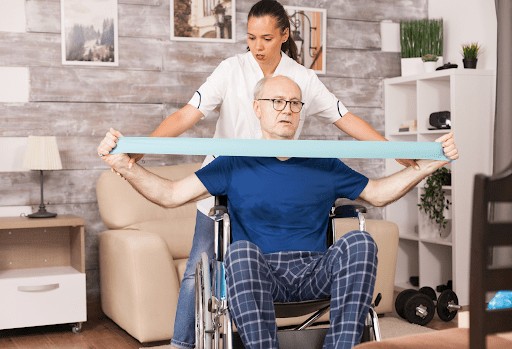
Levodopa (with carbidopa) replaces dopamine; dopamine agonists mimic it. Physical/occupational therapy combats stiffness. Deep brain stimulation for advanced cases. Exercise (boxing, cycling) slows progression—aim for 150 minutes weekly.
4. How does Parkinson’s impact daily living, and what adaptations help?
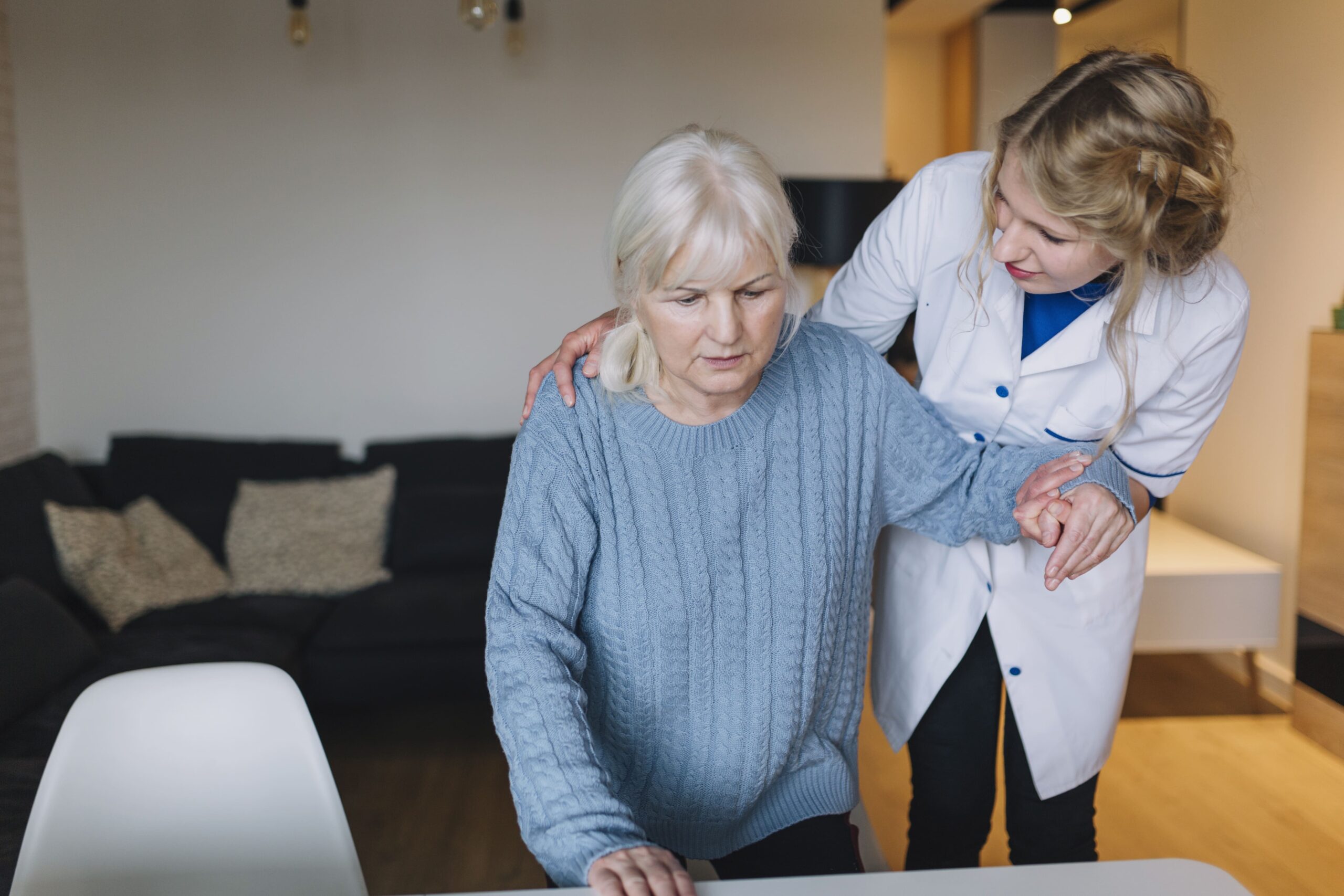
Swallowing issues raise pneumonia risk; thickened liquids, soft foods mitigate. Falls from postural instability need walkers, home grab bars. Speech therapy improves communication. Caregivers assist dressing (button hooks), bathing.
5. What specialized support exists for seniors with Parkinson’s?
Parkinson’s care for seniors includes LHIN physiotherapy and speech pathology. Private agencies offer PD-trained aides for transfers, med timing. Support groups via Parkinson Canada provide education.
Don’t face Parkinson’s alone—our specialized senior care team offers tailored mobility and daily support. Schedule your free assessment today!