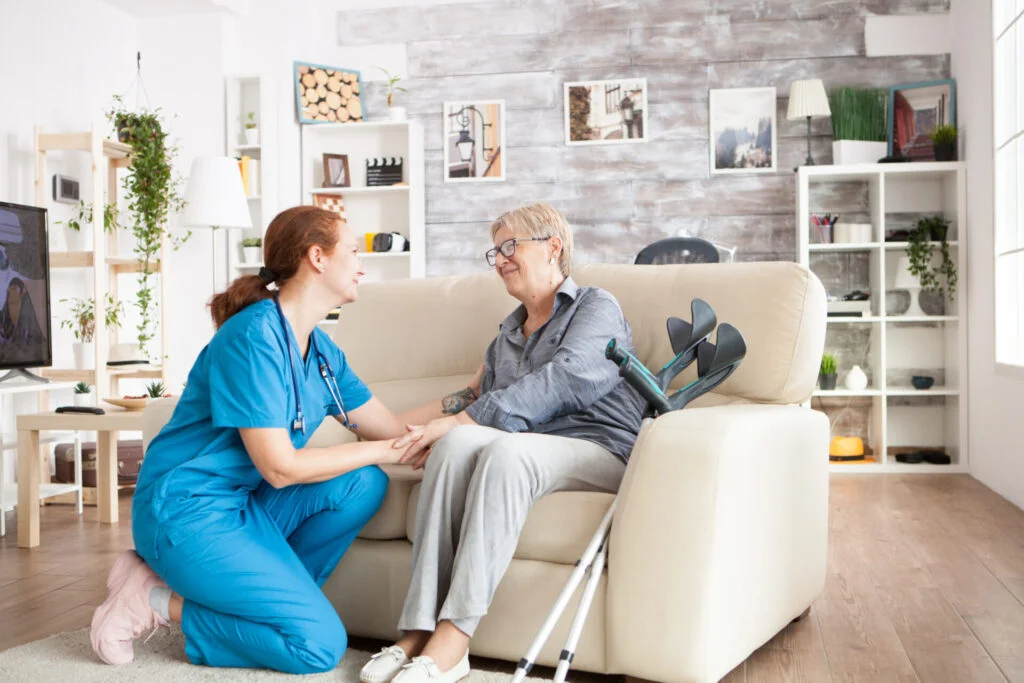
Ontario seniors are looking for safe ways to stay strong, mobile, and emotionally resilient as they age. Senior services like Pilates, physiotherapy, and mental health support play a powerful role in maintaining independence, preventing injuries, and improving quality of life. This Q&A guide explains the importance of each service and how to choose trusted providers in your community.
1. Why is Pilates a good option for seniors?
Pilates is a low‑impact exercise method that focuses on core strength, posture, balance, and controlled movement. For seniors, it offers a safe way to build stability and flexibility without stressing the joints. Many older adults find that Pilates helps reduce back pain, improve posture, and make daily activities like walking, climbing stairs, and getting out of a chair easier.
Senior‑focused Pilates classes often adapt movements using chairs, walls, or small props, so participants can work at their own pace. Instructors trained in senior fitness or rehabilitation understand how to modify exercises for arthritis, osteoporosis, or past injuries. This makes Pilates an accessible way for seniors to stay active, especially when combined with other senior services like physiotherapy or walking programs.
2. How does physiotherapy support healthy aging?
Physiotherapy is a clinical service that helps seniors recover from injuries, surgeries, chronic pain, and mobility issues. A registered physiotherapist assesses strength, balance, joint mobility, and movement patterns, then designs a personalized treatment plan. For seniors, physiotherapy can address common issues such as falls, joint replacements, stroke recovery, and chronic conditions like arthritis or back pain.
Physiotherapy for older adults may include exercises, manual therapy, balance and gait training, and education on safe movement and fall prevention. Many physiotherapists work closely with physicians and other senior services to support coordinated care. Seniors living in Ontario can access physiotherapy in clinics, community centers, some senior living residences, and sometimes through in‑home or virtual visits, making it easier to continue therapy consistently.
3. Why are mental health services so important for seniors?
Mental health is just as important as physical health in senior years. Older adults may face loneliness, grief, anxiety, depression, or stress related to health changes, caregiving, or financial concerns. Left unaddressed, these challenges can affect sleep, appetite, memory, and even physical recovery from illness or surgery.
Mental health services for seniors can include individual counselling, group therapy, support groups, and psychiatric care when needed. Speaking with a trained professional gives seniors a safe space to share worries, learn coping strategies, and rebuild confidence. Many communities, senior living centers, and health networks now offer specialized programs focused on aging, dementia support, caregiver stress, and bereavement, helping both seniors and their families feel more supported.
4. How do Pilates, physiotherapy, and mental health services work together for seniors?
These senior services are most powerful when they work together as part of a holistic wellness plan. Pilates helps build strength, mobility, and body awareness, which can support the exercises prescribed in physiotherapy. For example, a senior recovering from a hip replacement might see a physiotherapist for rehabilitation, then use senior‑friendly Pilates to maintain strength and flexibility over the long term.
Mental health support complements both by addressing fear of falling, anxiety about aging, or frustration with physical limitations. When seniors feel emotionally supported, they are more likely to follow exercise programs, attend appointments, and stay socially engaged. Senior living centers and community programs that combine physical and mental health services create a more complete model of care, improving overall quality of life and supporting independent living for longer.
5. How can seniors choose the right Pilates, physiotherapy, and mental health providers?
Choosing the right senior services starts with safety, qualifications, and a good personal fit. Here are key questions to ask for each service:
For senior Pilates:
- Is the instructor certified and experienced with older adults or people with health conditions?
- Are classes labeled specifically for seniors, gentle, or therapeutic?
- Are modifications and props offered for limited mobility, osteoporosis, or joint issues?
- Is the environment accessible, with supportive equipment and clear instruction?
For physiotherapy:
- Is the physiotherapist licensed and registered in your province?
- Do they have experience with senior conditions such as balance problems, joint replacements, or neurological issues?
- Will you receive a personalized assessment and home exercise plan?
- Are appointments available in formats that work for you (clinic, in‑home, or virtual)?
For mental health services:
- Is the provider a licensed therapist, counsellor, psychologist, or psychiatrist with training in older adult mental health?
- Do they have experience with concerns like grief, chronic illness, caregiver stress, or dementia‑related changes?
- Are sessions offered in person, by phone, or online to reduce barriers to access?
- Do you feel heard, respected, and comfortable speaking openly with them?
Across all three areas, seniors and families should also consider practical factors: location, accessibility, cost, availability, and whether services can be integrated with existing care plans. It can help to ask your family doctor, senior living center, or local community organizations for recommendations, then schedule a trial class or initial consultation before committing.
6. What should senior living centers look for when adding these services?
Senior living communities that offer or partner for Pilates, physiotherapy, and mental health services add significant value for residents and families. When evaluating providers, senior living managers may want to:
- Prioritize professionals with geriatric experience and a person‑centered approach.
- Ensure services are accessible on‑site or close by, with transportation or virtual options when needed.
- Integrate physical and mental health screening into regular wellness check‑ups.
- Offer group programs to build social connection (e.g., small Pilates classes, balance workshops, discussion groups, or caregiver support sessions).
- Track outcomes such as reduced falls, improved mobility, better mood, or fewer hospital visits to show the impact of these senior services.
By thoughtfully choosing and coordinating Pilates, physiotherapy, and mental health providers, senior living centers can create a more complete, wellness‑focused environment that supports residents’ independence, safety, and emotional well‑being.