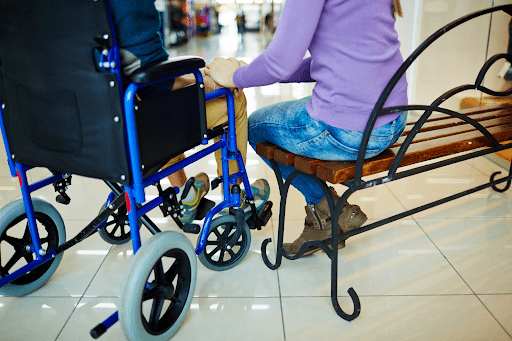
If you’re caring for an aging parent, or starting to notice changes in your own balance or mobility, choosing the right mobility aids can feel overwhelming. Walkers, scooters, grab bars… each promises safety and independence. But which one is right? And when is it time to make the change?
In Ontario, many seniors and caregivers face this exact question. The goal isn’t just to prevent falls, it’s to protect confidence, independence, and daily comfort. The challenge is knowing what each option actually does and how it fits your situation.
In this guide, we’ll explain mobility aids in simple language. You’ll learn the differences between walkers, scooters, and grab bars, when each makes sense, what they cost in Ontario, and when to explore professional support. The goal is clarity so you can take the next step with confidence.
What This Means — In Simple Words
Mobility aids are tools that help seniors move safely and independently.
They are not a sign of “giving up.” In fact, the right mobility aid often helps someone stay active longer.
Here’s a simple breakdown:
Walkers
Walkers provide support while walking. Some have wheels (called rollators), and some do not. They help with balance and reduce fall risk inside and outside the home.
Mobility scooters
Scooters are battery-powered devices for seniors who can sit upright but struggle to walk long distances. They are commonly used outdoors, in malls, or for community outings.
Grab bars
Grab bars are sturdy bars installed in bathrooms or hallways. They provide something solid to hold onto when standing, sitting, or stepping in and out of a shower.
Each of these mobility aids solves a different problem. The key is matching the product to the level of support needed.
Why This Matters for Seniors and Caregivers
The right mobility aids can make a meaningful difference in everyday life.
- Safety: Falls are a leading cause of injury among seniors in Ontario. Proper support reduces risk.
- Independence: A walker or scooter can help someone continue grocery shopping or attending community events.
- Caregiver relief: When mobility improves, caregivers worry less about sudden accidents.
- Cost control: Preventing one serious fall can avoid hospital visits and long-term expenses.
- Peace of mind: Both seniors and adult children feel more secure when safety supports are in place.
This isn’t just about equipment. It’s about protecting dignity and quality of life.
Options Available in Ontario
Ontario seniors have several pathways when choosing mobility aids.
1. Walkers
Walkers are ideal when:
- Balance is unsteady
- There is mild to moderate leg weakness
- The senior can still walk independently
Types include:
- Standard walkers (no wheels)
- Two-wheel walkers
- Four-wheel rollators with seats and brakes
Walkers are widely available through medical supply stores, pharmacies, and verified providers across Ontario.
2. Mobility Scooters
Scooters work best when:
- Walking longer distances is tiring or painful
- The senior can sit upright safely
- Outdoor mobility is the main concern
They come in:
- Travel scooters (portable)
- Three-wheel scooters (tight turns)
- Four-wheel scooters (greater stability)
Scooters are considered mobility aids for community independence rather than indoor support.
3. Grab Bars and Home Modifications
Grab bars are often the first step in fall prevention. They are especially helpful:
- Near toilets
- Inside showers
- Along stairways
Unlike walkers or scooters, grab bars are fixed supports. Installation matters — they must be securely anchored to wall studs.
Public vs. Private Support in Ontario
Ontario offers funding assistance through programs like the Assistive Devices Program (ADP) under the Ontario Ministry of Health. ADP may cover a portion of approved mobility aids if eligibility criteria are met.
OHIP itself generally does not cover mobility equipment directly.
Many families purchase mobility aids privately, either online or through verified medical suppliers.
Young & Blissful helps families explore verified providers offering mobility products and installation services across Ontario, making it easier to compare safe, reputable options.
Pros, Cons, and Common Mistakes
Being honest about limitations builds trust.
Walkers
Pros
- Immediate stability
- Affordable compared to scooters
- Suitable for indoor use
Cons
- Can feel bulky in tight spaces
- Requires upper body strength
Common mistake: Waiting too long before introducing one. Early use often prevents bigger injuries.
Mobility Scooters
Pros
- Expands independence outdoors
- Reduces fatigue
- Encourages social engagement
Cons
- Expensive
- Requires storage space
- Not ideal for small indoor areas
Common mistake: Buying the cheapest model without checking weight limits or terrain needs.
Grab Bars
Pros
- Low cost
- Major fall prevention benefit
- Minimal lifestyle disruption
Cons
- Must be professionally installed
- Do not replace walking support
Common mistake: Using towel racks as support instead of proper grab bars.
Costs, Insurance, and Funding in Ontario
Costs vary depending on the type of mobility aids chosen.
General ranges in Ontario:
- Walkers: $100–$500
- Mobility scooters: $1,500–$4,000+
- Grab bars and installation: $200–$800 depending on scope
What OHIP Covers
OHIP does not directly pay for most mobility aids.
Assistive Devices Program (ADP)
The ADP may cover up to 75% of approved mobility equipment for eligible Ontario residents. A healthcare professional must complete assessment forms.
Private Insurance
Some extended health insurance plans cover part of mobility equipment costs.
Out-of-Pocket
Many families pay privately, especially for grab bars and smaller devices.
It’s wise to consult a healthcare professional or occupational therapist before purchasing expensive equipment to ensure proper fit and eligibility for funding.
When to Ask for Professional Help
Sometimes mobility changes happen gradually. Other times, they are sudden.
Consider professional support if:
- There have been one or more falls
- The senior avoids walking due to fear
- Bruises appear without clear explanation
- Caregivers feel constant anxiety about safety
An occupational therapist can assess the home and recommend the right mobility aids.
Many families choose to explore verified providers when they want safe installation, product guidance, or help navigating Ontario funding programs.
Mobility decisions are easier when you don’t have to make them alone.
FAQs
Are mobility aids covered by insurance in Ontario?
OHIP does not directly cover them, but the Assistive Devices Program may fund a portion. Private insurance sometimes helps.
How do I know which mobility aid is right?
A healthcare professional or occupational therapist can assess walking ability, balance, and home layout.
Are mobility scooters allowed in public places?
Yes, they are commonly used in malls, grocery stores, and sidewalks.
Can grab bars be installed in any bathroom?
Most bathrooms can accommodate them, but professional installation ensures safety.
When should we introduce mobility aids?
Earlier is usually better. Waiting for a serious fall increases risk.
Moving Forward with Confidence
Choosing between walkers, scooters, and grab bars doesn’t have to feel complicated. The right mobility aids protect independence, reduce caregiver stress, and support safe aging at home.
Support, Care, Services & Products for Seniors in Ontario
Make aging easier. Make caregiving lighter. Make support accessible.
If you’re exploring support options, you can browse verified services and products for seniors across Ontario on Young & Blissful — and take the next step with clarity and confidence.