If you’re caring for a parent or loved one with dementia or Alzheimer’s, you may already feel the emotional and practical weight of it. From memory loss and confusion to changes in behavior, these conditions can affect every part of daily life—not just for seniors, but for caregivers too.
In Ontario, many families struggle with one key question: Where do we start when it comes to finding the right support? The system can feel complex, with a mix of public programs, private services, and community resources that aren’t always easy to navigate.
This guide is here to simplify things. You’ll learn what dementia and Alzheimer’s support really means, why it matters, what options are available across Ontario, and how to take the next steps with confidence without feeling overwhelmed.
What This Means — In Simple Words
Dementia is a general term used to describe conditions that affect memory, thinking, and daily functioning. Alzheimer’s disease is the most common type of dementia.
Support for dementia and Alzheimer’s includes a range of services, tools, and care approaches that help seniors live safely and comfortably while also supporting caregivers.
In simple terms, this support can include:
- Help with daily activities like bathing, dressing, and meals
- Memory care programs and supervision
- Emotional and mental health support
- Respite care for caregivers
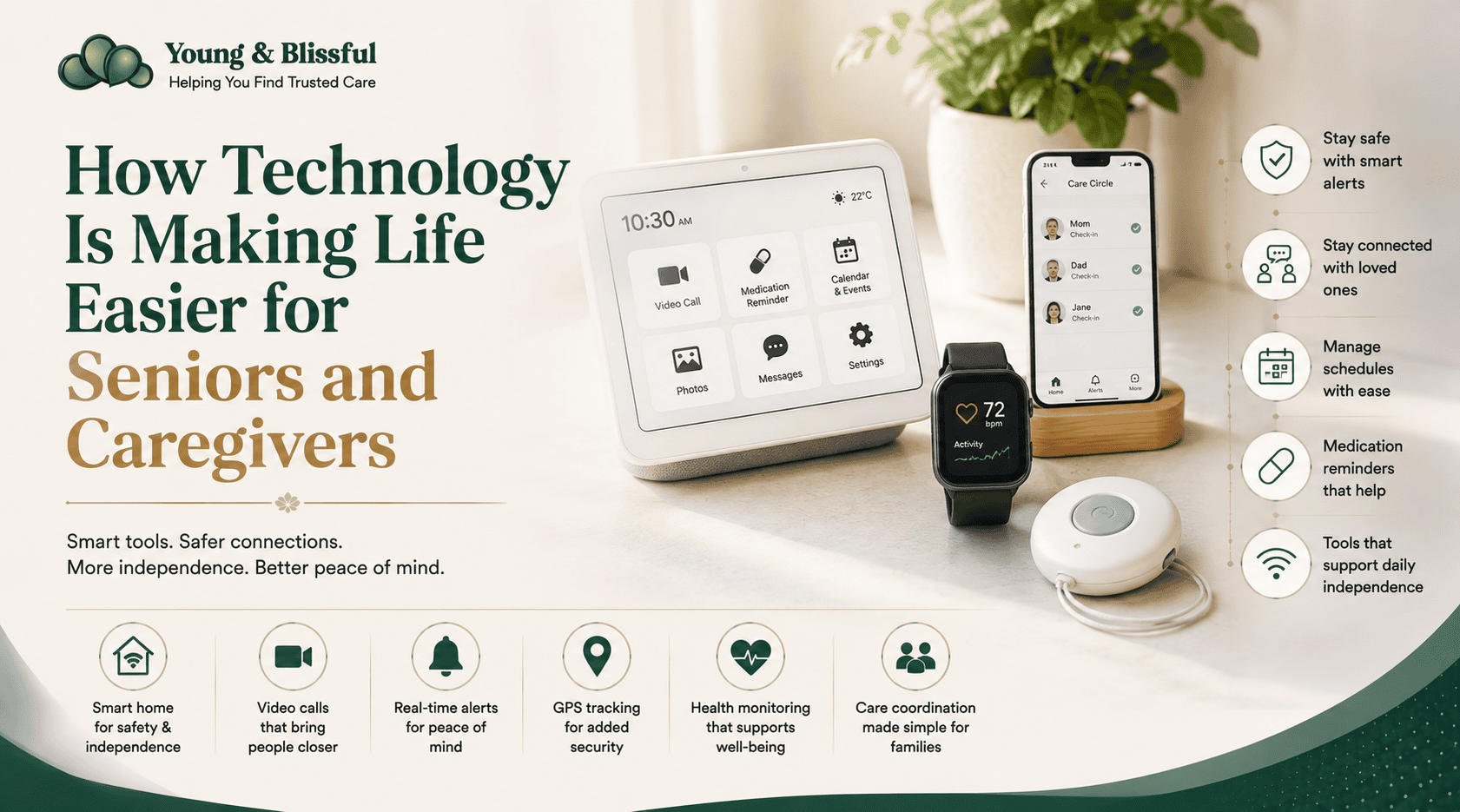
- Safety tools and home modifications
The goal is not to “fix” the condition, but to improve quality of life and reduce stress for everyone involved.
Why This Matters for Seniors and Caregivers
Dementia and Alzheimer’s support plays a critical role in maintaining dignity, safety, and well-being.
Here’s why it matters:
- Safety: Reduces risks like wandering, falls, and medication errors
- Independence: Helps seniors stay in familiar environments longer
- Caregiver support: Prevents burnout and emotional exhaustion
- Routine and stability: Structured care improves daily functioning
- Peace of mind: Families feel more secure knowing proper support is in place
Without the right support, caregiving can quickly become overwhelming—both physically and emotionally.
Options Available in Ontario
Ontario offers a mix of public, private, and community-based dementia and Alzheimer’s support resources.
1. In-Home Care Services
These services allow seniors to remain at home while receiving personalized support.
Includes:
- Personal care (bathing, dressing)
- Companionship and supervision
- Medication reminders
- Meal preparation
2. Memory Care Programs
Specialized programs designed for seniors with dementia or Alzheimer’s.
Offered through:
- Community centres
- Adult day programs
- Retirement residences
These programs provide:
- Structured daily activities
- Cognitive stimulation
- Social interaction in a safe environment
3. Respite Care for Caregivers
Short-term care that gives caregivers a break.
Options include:
- In-home respite support
- Short stays in care facilities
- Adult day programs
This is essential for maintaining caregiver health and preventing burnout.
4. Community and Nonprofit Support
Ontario has strong community-based resources.
Examples include:
- Local Alzheimer support groups
- Education programs for caregivers
- Helplines and counseling services
Organizations like the Alzheimer Society of Ontario provide guidance, workshops, and local connections for families.
5. Long-Term Care and Memory Units
For advanced stages, some seniors may require full-time care.
Options include:
- Long-term care homes
- Specialized memory care units in retirement communities
These facilities provide 24/7 supervision and medical support.
Public vs Private Options
- Public services: Coordinated through Ontario Health atHome (formerly LHINs), often with wait times
- Private services: Faster access, more flexibility, but paid out of pocket
- Combined approach: Many families use both to meet evolving needs
In-Home vs Facility-Based Care
- In-home care: Best for early to moderate stages
- Facility care: Often needed in later stages when safety becomes a concern
Pros, Cons, and Common Mistakes
What Works Well
- Early planning and gradual introduction of support
- Combining community programs with in-home care
- Using structured routines to reduce confusion
When It May Not Work
- Delaying care until a crisis occurs
- Relying on one caregiver without backup
- Choosing services that don’t specialize in dementia care
Common Caregiver Mistakes
- Waiting too long to seek help: Early support makes a big difference
- Trying to do everything alone: Leads to burnout
- Focusing only on cost: Quality and training matter in dementia care
- Ignoring caregiver health: Your well-being is just as important
Being proactive helps avoid emergency decisions later.
Costs, Insurance, and Funding in Ontario
Understanding costs can help families plan ahead.
OHIP Coverage
The Ontario Health Insurance Plan (OHIP) covers:
- Doctor visits
- Hospital care
However, it does not typically cover long-term personal care or private in-home services.
Government Programs
Ontario offers support through:
- Ontario Health atHome care coordination
- Long-term care subsidies
- Community support programs
Eligibility and wait times vary depending on location and needs.
Private Insurance
Some plans may help cover:
- Home care services
- Assistive devices
Always review policy details carefully.
Out-of-Pocket Costs
Typical ranges:
- In-home care: $25–$50/hour
- Adult day programs: $20–$100/day
- Long-term care: Subsidized (public) or higher (private/private-pay rooms)
Many families use a mix of public and private resources to balance cost and access.
When to Ask for Professional Help
Knowing when to seek help is one of the most important steps.
Consider professional support when:
- Memory loss begins affecting daily safety
- Wandering or confusion increases
- Personal care becomes difficult
- Caregivers feel overwhelmed or exhausted
Many families choose to explore verified providers when caregiving responsibilities become too demanding to manage alone.
It’s also wise to consult a healthcare professional for proper assessment and care planning.
FAQs
- What’s the difference between dementia and Alzheimer’s?
Dementia is a general term; Alzheimer’s is a specific disease and the most common type. - Are dementia care services covered in Ontario?
Some public services are covered, but many supports require private payment. - Can seniors with dementia stay at home?
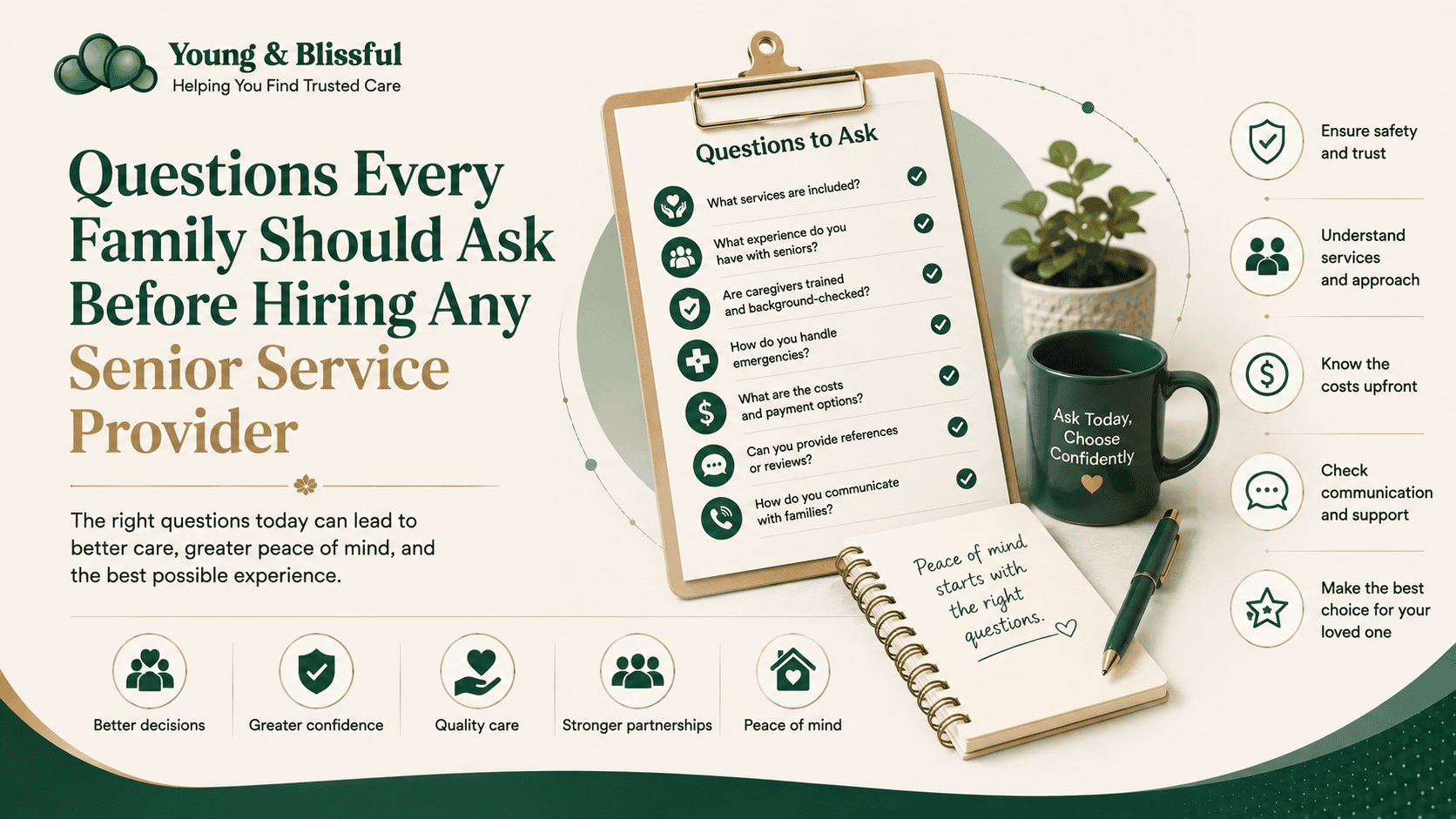
Yes, especially in early stages, with proper support and safety measures. - How do I find trusted care providers?
Look for verified providers with experience in dementia care and clear service details. - When should we consider long-term care?
When safety, medical needs, or caregiver burnout make home care no longer manageable.
Closing
Supporting someone with dementia or Alzheimer’s is a journey that no family should navigate alone. With the right resources, services, and guidance, you can create a safer, more supportive environment while protecting your own well-being as a caregiver.
If you’re exploring support options, you can browse verified services and products for seniors across Ontario on Young & Blissful helping you make informed decisions with confidence.
Make aging easier. Make caregiving lighter. Make support accessible.