Choosing the right medical and dental providers for seniors in Ontario is about more than convenience. It’s about accessibility, communication, and understanding the unique health needs that come with aging. This checklist will help families and caregivers feel more confident choosing doctors and dentists who truly support older adults.
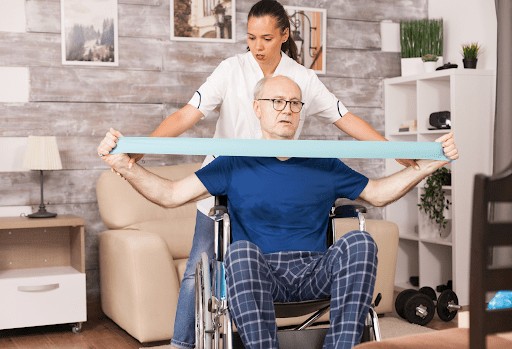
House Call Doctors vs Clinic Visits for Ontario Seniors
For many seniors, the first question is: Should we go to the clinic or bring the doctor to us?
House call doctors can be ideal when:
- The senior has significant mobility issues or uses a wheelchair.
- There is advanced dementia or confusion that makes clinic visits overwhelming.
- Pain, shortness of breath, or frailty make travel exhausting or unsafe.
House call physicians can assess medications, chronic conditions, and overall health right in the home, which often gives a more accurate picture of daily functioning.
Clinic visits may be better when:
- The senior can travel safely and likes getting out.
- Specialized equipment or tests are needed on site.
- Multiple services (lab work, imaging, specialist consults) are in one location.
When comparing providers, ask if they offer both options or have partnerships with house call services for times when travel is not possible.
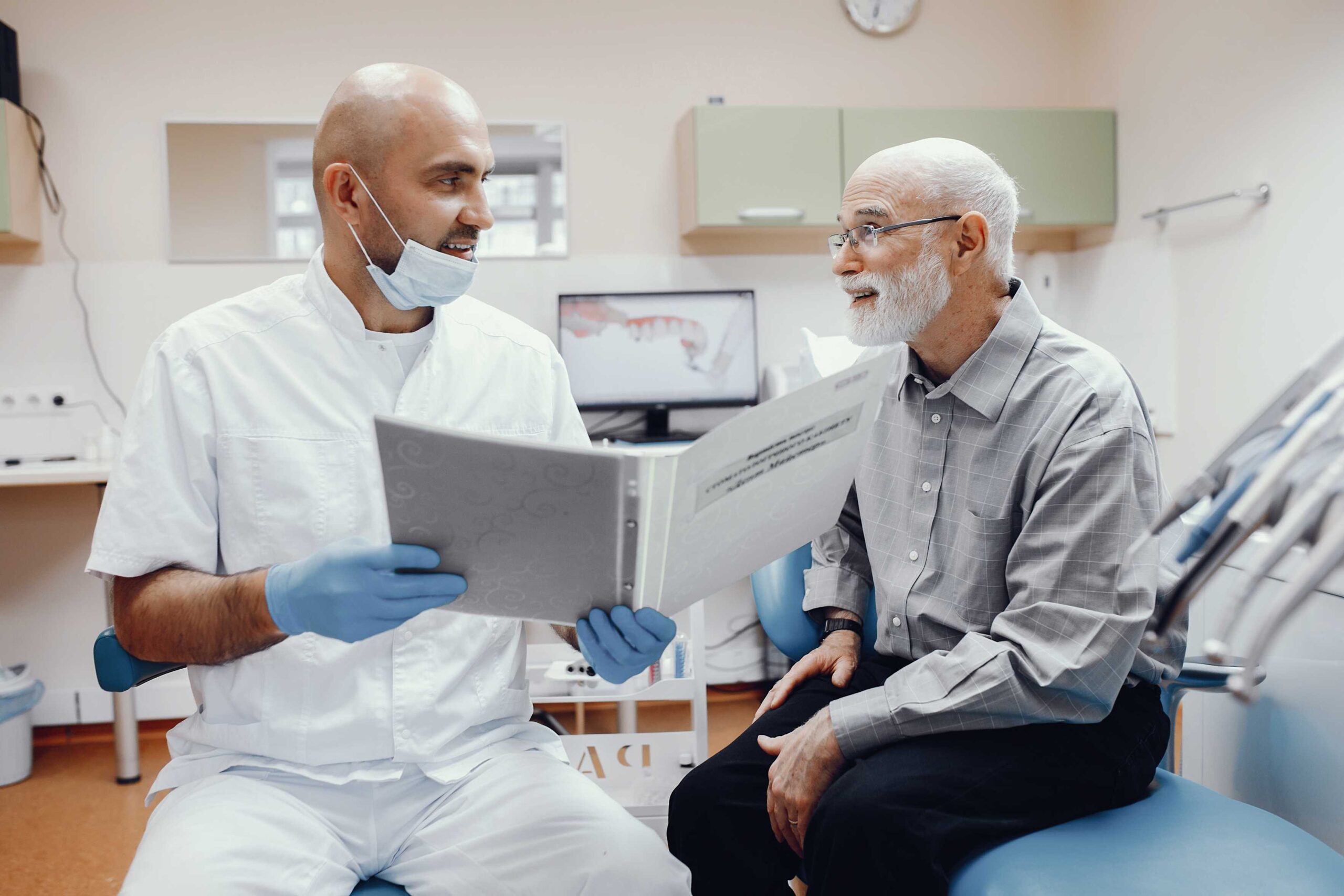
Dental Care for Denture Wearers – GTA Specialists
Oral health is often overlooked in older adults, especially for those with dentures. Poorly fitting dentures can cause pain, poor nutrition, and embarrassment about eating with others.
When looking for a dentist or denturist for a senior in Toronto or the GTA, consider:
- Experience with seniors and medically complex clients. Ask how often they handle dry mouth, blood thinners, diabetes, and cognitive changes.
- Accessibility of the clinic. Is there elevator access, wide doorways, and space for walkers or wheelchairs?
- Gentle, patient communication. Seniors with memory changes or fear of dental work need extra time and reassurance.
- Flexible appointment lengths. Shorter, more frequent visits can be less tiring than one long session.
If dentures are involved, ask if the provider offers relines, repairs, and regular fit checks. Ill-fitting dentures can be a major cause of weight loss and discomfort in older adults.
OHIP Coverage Changes 2026 – What Seniors Need to Know
Coverage for medical services in Ontario can be confusing, especially when there are changes or new programs. While OHIP generally covers physician services, some tests, procedures, and allied health services have limits or exclusions.
For seniors and caregivers, it’s important to:
- Ask the family doctor or clinic staff which services are fully OHIP-covered.
- Clarify which services might require private payment or insurance (e.g., certain dental treatments, some eye care, some allied health).
- Keep a list of medications and health conditions to share with all providers so they can coordinate care and avoid duplicate tests.
If you are unsure what is covered, don’t hesitate to ask the provider’s office directly. Many clinics have staff who can help navigate coverage and direct you to community resources when needed.
Call to action
You deserve medical and dental care that respects the realities of aging in Ontario. To connect with senior-friendly medical and dental providers who understand Ontario’s healthcare system, visit Young & Blissful →