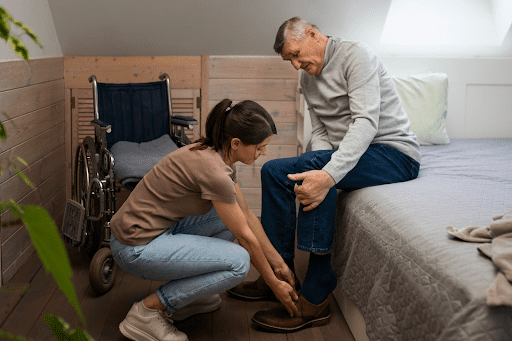
If you’re caring for an aging parent or managing your own independence at home—you’ve probably worried about falls. It’s one of the most common and stressful risks seniors face, especially when living independently. Even a small trip can lead to injuries, reduced confidence, and long recovery periods.
The challenge? Fall prevention isn’t always straightforward. There are so many factors like home safety, mobility, medications, vision, and daily habits, that it can feel overwhelming to know where to start.
This guide breaks it down into simple, practical steps. You’ll learn the top fall-prevention strategies for seniors living at home in Ontario, what options are available, and when it might be time to seek extra support. The goal is clarity—not complexity—so you can make confident, informed decisions.
What This Means — In Simple Words
Fall prevention simply means reducing the chances of slipping, tripping, or losing balance at home.
For seniors, this isn’t just about being careful—it’s about creating a safer environment and building habits that support stability.
This can include:
- Making small home changes (like removing loose rugs)
- Using helpful products (like grab bars or walkers)
- Staying physically active to maintain balance
- Reviewing medications that may cause dizziness
Think of it as a combination of safe surroundings + strong body + smart daily routines.
Why This Matters for Seniors and Caregivers
Fall prevention strategies for seniors living at home are important because they directly affect quality of life.
Here’s how:
- Safety: Reduces risk of injuries like fractures or head trauma
- Independence: Helps seniors stay in their own homes longer
- Confidence: Prevents fear of falling, which can limit movement
- Caregiver stress: Lowers anxiety for family members
- Cost control: Avoids hospital visits and long-term care expenses
- Peace of mind: Creates a safer daily living environment
Even small changes can make a big difference over time.
Options Available in Ontario
In Ontario, there are several fall-prevention supports, services, and products available to seniors and caregivers.
1. In-Home Safety Modifications
Simple upgrades can greatly reduce fall risks:
- Grab bars in bathrooms
- Non-slip mats
- Improved lighting
- Stair railings
You can explore home safety and mobility support products through trusted directories like Young & Blissful.
2. Mobility Aids and Assistive Products
Common products include:
- Walkers and canes
- Raised toilet seats
- Bed rails
- Non-slip footwear
These products are designed to improve balance and reduce strain during daily activities.
3. Community and Public Programs
Ontario offers community-based fall prevention programs through:
- Local health units
- Community centres
- Seniors’ wellness programs
These often include balance training, education sessions, and group exercises.
4. In-Home Support Services
Some families choose:
- Personal support workers (PSWs)
- Occupational therapy assessments
- Home safety evaluations
Many families explore verified providers through platforms like Young & Blissful to find trusted support options.
5. Facility-Based or Assisted Living Options
When home safety becomes difficult to manage, options include:
- Assisted living residences
- Retirement communities
These environments are designed with built-in safety features.
Pros, Cons, and Common Mistakes
What Works Well
- Combining home modifications with physical activity
- Using mobility aids early (not waiting until after a fall)
- Regular check-ins with healthcare professionals
When Strategies May Fall Short
- Relying only on one solution (e.g., just a walker without home changes)
- Ignoring underlying health issues like poor vision or dizziness
- Not updating safety measures as needs change
Common Caregiver Mistakes
- Waiting too long: Acting only after a fall happens
- Choosing based on cost alone: Cheaper options may lack safety features
- Overlooking small hazards: Loose rugs, clutter, poor lighting
- Not involving the senior: Resistance increases if they feel excluded
Being proactive is key—small steps now prevent bigger problems later.
Costs, Insurance, and Funding in Ontario
OHIP Coverage
Ontario Health Insurance Plan (OHIP) generally:
- Covers doctor visits and hospital care
- Does not cover most home modifications or mobility aids
Private Insurance
Some plans may cover:
- Mobility devices
- Physiotherapy or occupational therapy
Coverage varies, so it’s important to check individual policies.
Government and Community Support
Programs may help with:
- Assistive devices funding
- Seniors’ home safety improvements
- Community wellness programs
Examples include provincial assistance programs and local community grants.
Out-of-Pocket Costs
Families often pay for:
- Home modifications
- Non-covered equipment
- Private in-home support services
Costs can range from small one-time purchases to ongoing care expenses.
When to Ask for Professional Help
Sometimes, fall-prevention strategies for seniors living at home need more than DIY solutions.
Watch for these signs:
- Frequent near-falls or loss of balance
- Difficulty walking or standing
- Cluttered or unsafe home environment
- Recent hospital visits due to falls
- Increased fear of moving around
At this stage, professional guidance can make a big difference.
Many families choose to explore verified providers when safety concerns start affecting daily life or independence.
If you’re unsure, it’s always wise to consult a healthcare professional such as a doctor or occupational therapist.
FAQs
1. What is the most effective way to prevent falls at home?
A combination of home safety changes, regular exercise, and proper use of mobility aids is most effective.
2. Are fall-prevention services covered in Ontario?
Some services are partially covered through public programs, but many supports and products require out-of-pocket payment or private insurance.
3. How do I know if my parent needs help at home?
Look for signs like unsteadiness, recent falls, or difficulty performing daily tasks safely.
4. Can fall risks change over time?
Yes. Health, mobility, and environment can change, so regular reassessment is important.
5. What type of professional should I contact first?
An occupational therapist or family doctor is a good starting point for assessing fall risks.
Closing CTA
Fall prevention isn’t about limiting independence—it’s about protecting it. With the right strategies, seniors can continue living safely and confidently at home.
If you’re exploring support options, you can browse verified services and products for seniors across Ontario on Young & Blissful.