If you’re caring for an aging parent or supporting a senior loved one, dealing with incontinence can feel uncomfortable to talk about—yet it’s incredibly common. Many seniors experience bladder or bowel control challenges due to aging, medical conditions, or mobility limitations. Still, choosing the right incontinence products often becomes a confusing and emotional process.
Caregivers frequently wonder: Which product is best? Will it be comfortable? Will it protect dignity? And how much will it cost over time?
The truth is, the wrong product can lead to discomfort, leaks, skin issues, and even embarrassment—while the right one can restore confidence and make daily life much easier.
This guide will help you understand the different types of incontinence products, how to choose based on real needs, and what options are available in Ontario. You’ll walk away with clear, practical steps to make a decision that supports both comfort and dignity.
What This Means — In Simple Words
Incontinence products are designed to help manage bladder or bowel leakage safely and discreetly.
They are not “one-size-fits-all.” The right choice depends on:
- Level of leakage (light, moderate, heavy)
- Mobility (independent or assisted)
- Comfort preferences
- Skin sensitivity
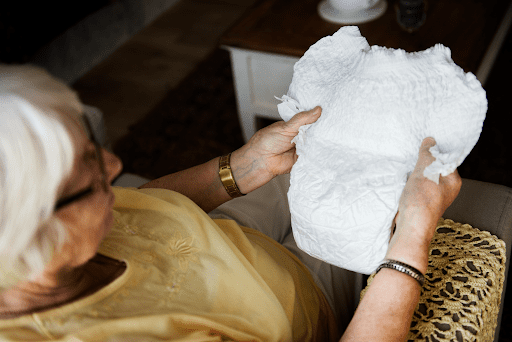
Here are the most common types:
- Pads and liners:
Light and discreet, worn inside regular underwear - Pull-up underwear:
Looks like normal underwear, easy to wear independently - Adult diapers (briefs):
Designed for moderate to heavy incontinence, often with tabs for caregiver assistance - Bed protectors (underpads):
Protect mattresses and furniture - Reusable products:
Washable options for long-term use
In simple terms:
- Light support → pads or liners
- Active seniors → pull-ups
- Higher care needs → briefs with tabs
The goal isn’t just managing leakage—it’s preserving comfort, hygiene, and dignity.
Why This Matters for Seniors and Caregivers
Choosing the right product has a direct impact on everyday life:
- Comfort:
Proper fit prevents irritation, rashes, and discomfort - Dignity:
Discreet, well-fitting products help seniors feel confident - Skin health:
Poor-quality products can lead to infections or breakdown - Independence:
Easy-to-use products allow seniors to manage on their own - Caregiver ease:
The right product reduces stress, cleanup time, and workload - Cost control:
Choosing correctly avoids frequent replacements and waste
Options Available in Ontario
In Ontario, families can access incontinence products through several channels.
1. Retail and Pharmacy Options
Products are widely available at:
- Pharmacies
- Medical supply stores
- Online retailers
These include a wide range of absorbency levels and styles.
2. Healthcare and Community Support
Some programs and healthcare providers offer guidance on product selection, especially after:
- Hospital discharge
- Diagnosis of chronic conditions
Support may be available through services connected to the Ontario Ministry of Health.
3. Private In-Home Support Services
Many families explore in-home care providers who help with:
- Product selection
- Personal care assistance
- Hygiene routines
Platforms like Young & Blissful allow you to browse verified providers offering:
- Personal support services
- Daily living assistance
- Product recommendations tailored to seniors
4. In-Home vs Facility-Based Use
At home:
- More privacy and comfort
- Flexible product choices
- Personalized routines
In care facilities:
- Structured care plans
- Staff-managed product use
- Standardized supplies
Pros, Cons, and Common Mistakes
Pads and Liners
Best for:
- Light leakage
- Active seniors
Limitations:
- Not suitable for heavy incontinence
- May shift if not fitted properly
Pull-Up Underwear
Best for:
- Independent seniors
- Moderate leakage
Limitations:
- Harder to change for those with limited mobility
- Can be more expensive over time
Adult Briefs (with Tabs)
Best for:
- Heavy incontinence
- Bedridden or assisted seniors
Limitations:
- Less discreet
- Requires caregiver support
Reusable Products
Best for:
- Long-term cost savings
- Eco-conscious families
Limitations:
- Requires regular washing
- May not offer the same convenience
Common Mistakes Caregivers Make
- Choosing the cheapest option:
Low-cost products often lead to leaks and discomfort - Ignoring fit and sizing:
Poor fit causes skin irritation and reduced effectiveness - Not adjusting as needs change:
Incontinence levels can change over time - Overlooking skin care:
Skin protection is just as important as absorbency - Avoiding the conversation:
Not discussing preferences with seniors can impact dignity and comfort
Costs, Insurance, and Funding in Ontario
Public Coverage
Unlike some medical services, incontinence products are not typically covered under Ontario Health Insurance Plan (OHIP).
Private Insurance
Some extended health plans may cover:
- A portion of incontinence supplies
- Medical necessity-based products
Coverage varies widely.
Out-of-Pocket Costs
Most families pay directly.
Typical monthly costs:
- Light use: $50–$100
- Moderate use: $100–$200
- Heavy use: $200–$400+
Costs depend on:
- Product type
- Frequency of changes
- Brand quality
Government and Community Programs
Some financial assistance may be available for eligible seniors through:
- Disability support programs
- Community aid services
Information can be accessed via the Ontario Ministry of Health or local agencies.
When to Ask for Professional Help
Incontinence can often be managed at home—but there are times when extra support is important.
Consider professional help when:
- Leakage becomes frequent or severe
- Skin irritation or infections develop
- A senior feels embarrassed or withdraws socially
- Caregiving becomes physically or emotionally overwhelming
Healthcare professionals can help identify underlying causes and recommend appropriate solutions. Always consult a healthcare professional if symptoms worsen or change suddenly.
Many families choose to explore verified providers when managing incontinence starts affecting comfort, hygiene, or daily routines.
FAQs
- What is the best incontinence product for seniors?
It depends on the level of leakage, mobility, and personal comfort. There is no single “best” option for everyone. - Are incontinence products covered by insurance in Ontario?
Ontario Health Insurance Plan (OHIP) does not typically cover them, but some private insurance plans may help. - How often should products be changed?
This depends on usage, but generally every 3–6 hours or as needed to maintain hygiene and prevent skin issues. - How can I protect my parent’s dignity?
Choose discreet products, involve them in decisions, and maintain a respectful, supportive approach. - Can incontinence improve over time?
In some cases, yes—especially with proper medical care, exercises, or lifestyle changes. Consult a healthcare professional for guidance.
Choosing the right incontinence products isn’t just about managing a condition—it’s about protecting comfort, dignity, and quality of life. With the right information, you can make decisions that truly support your loved one’s daily well-being.
If you’re exploring support options, you can browse verified services and products for seniors across Ontario on Young & Blissful.
Support, Care, Services & Products for Seniors in Ontario
Make aging easier. Make caregiving lighter. Make support accessible.