If you’re caring for an aging parent or supporting a senior loved one, you’ve likely come across terms like physiotherapy and occupational therapy. At first glance, they can sound similar and that’s where confusion begins. Which one does your loved one actually need? Are they interchangeable? And how do you access these services in Ontario?
For many caregivers, making the right choice feels overwhelming, especially when you’re already managing health concerns, daily routines, and emotional stress. Choosing the wrong support can delay recovery or make everyday life harder than it needs to be.
This guide will help you clearly understand the difference between physiotherapy and occupational therapy, how each supports seniors, and when to choose one over the other. By the end, you’ll have practical clarity and the confidence to take the next step in finding the right support.
What This Means — In Simple Words
Physiotherapy and occupational therapy both help seniors stay active, safe, and independent—but they focus on different things.
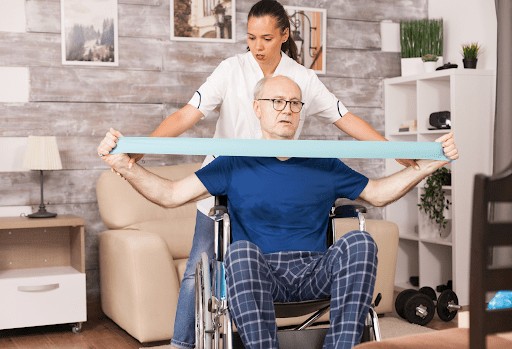
Physiotherapy (PT) is about movement and physical function.
It helps seniors:
- Improve strength
- Reduce pain
- Recover after injury or surgery
- Improve balance and mobility
For example, if a senior has knee pain or is recovering after a fall, physiotherapy helps them walk better and regain strength.
Occupational Therapy (OT) is about daily living and independence.
It helps seniors:
- Perform everyday tasks safely (bathing, dressing, cooking)
- Adapt their home environment
- Use assistive devices
- Maintain independence despite physical or cognitive challenges
For example, if a senior struggles to safely get in and out of the shower, occupational therapy helps modify the setup or teach safer techniques.
In simple terms:
- Physiotherapy = helps the body move better
- Occupational therapy = helps life work better
Both often work together, especially for seniors recovering from illness, injury, or aging-related changes.
Why This Matters for Seniors and Caregivers
Understanding the difference isn’t just technical—it directly affects daily life.
- Safety:
The right therapy reduces fall risks and injuries at home - Independence:
Seniors can continue living comfortably in their own homes - Faster recovery:
Proper therapy support speeds up healing after surgery or illness - Caregiver burnout prevention:
When seniors regain independence, caregivers face less physical and emotional strain - Cost control:
Choosing the right service early prevents unnecessary expenses later - Peace of mind:
Knowing your loved one is supported correctly reduces stress and uncertainty
Options Available in Ontario
In Ontario, both physiotherapy and occupational therapy are widely available through different channels.
1. Public Healthcare (OHIP Coverage)
Some therapy services may be covered under Ontario Health Insurance Plan (OHIP), especially when:
- Referred by a doctor
- Provided in hospitals or community clinics
- Needed after surgery or hospitalization
However, coverage is often limited and may involve wait times.
2. Private Services
Many families choose private therapy services for:
- Faster access
- In-home care
- More personalized support
These services are often listed through platforms like Young & Blissful, where families can explore verified providers offering:
- In-home physiotherapy
- Occupational therapy assessments
- Mobility support services
- Assistive product recommendations
3. Community Programs
Local organizations and nonprofits may offer:
- Fall prevention programs
- Mobility workshops
- Home safety assessments
These programs are often low-cost or subsidized.
4. In-Home vs Facility-Based Care
In-home services:
- Ideal for seniors with mobility issues
- Personalized and comfortable
- Focused on real-life environments
Clinic-based services:
- Access to specialized equipment
- Structured therapy sessions
- Good for active seniors who can travel
Pros, Cons, and Common Mistakes
Physiotherapy
Works well when:
- Recovering from surgery (hip/knee replacement)
- Managing pain or stiffness
- Improving balance and strength
Limitations:
- Doesn’t focus deeply on daily living tasks
- May not address home safety issues
Occupational Therapy
Works well when:
- Seniors struggle with daily activities
- Home modifications are needed
- Cognitive challenges affect independence
Limitations:
- Less focus on strengthening muscles
- May require additional services like physiotherapy
Common Mistakes Caregivers Make
- Waiting too long:
Delaying therapy can lead to worsening mobility or safety risks - Choosing based on price alone:
Lower cost doesn’t always mean better outcomes - Assuming one therapy is enough:
Many seniors benefit from both PT and OT - Ignoring home environment risks:
Without occupational therapy, hazards at home may go unnoticed - Not reassessing needs:
Seniors’ needs change—services should adapt too
Costs, Insurance, and Funding in Ontario
Understanding costs helps families plan ahead.
OHIP Coverage
Ontario Health Insurance Plan (OHIP) may cover:
- Limited physiotherapy sessions
- Hospital-based occupational therapy
But it typically does not cover ongoing or in-home services.
Private Insurance
Many extended health plans cover:
- Physiotherapy sessions (partial or full)
- Occupational therapy assessments
Coverage varies, so it’s important to check:
- Annual limits
- Number of sessions allowed
Out-of-Pocket Costs
If not covered, families usually pay privately.
Typical ranges in Ontario:
- Physiotherapy: $75–$150 per session
- Occupational therapy: $90–$180 per session
Government & Community Support
Some programs offer funding or subsidies, especially for:
- Low-income seniors
- Assistive devices
- Home modifications
Organizations like the Ontario Ministry of Health and community agencies provide guidance.
When to Ask for Professional Help
It’s not always obvious when therapy is needed—but certain signs shouldn’t be ignored.
Consider physiotherapy when:
- A senior has frequent falls or balance issues
- Pain limits movement
- Recovery after surgery is slow
Consider occupational therapy when:
- Daily tasks become difficult (bathing, dressing)
- The home feels unsafe
- Memory or cognitive changes affect routine
When both may be needed:
- After hospitalization
- During mobility decline
- When independence is at risk
If you’re unsure, it’s always wise to consult a healthcare professional for guidance.
Many families choose to explore verified providers when daily challenges start affecting safety or independence.
FAQs
- Are physiotherapy and occupational therapy the same?
No. Physiotherapy focuses on movement and physical recovery, while occupational therapy focuses on daily living and independence. - Does OHIP cover these services?
Ontario Health Insurance Plan (OHIP) may cover limited services, but many in-home or long-term options require private payment. - Can a senior receive both therapies at the same time?
Yes, and often this combination provides the best results for recovery and independence. - How do I know which one my parents need?
It depends on the problem:
- Movement issues → physiotherapy
- Daily task challenges → occupational therapy
A healthcare professional can help assess the situation.
- Are in-home services better than clinic visits?
In-home services are ideal for seniors with mobility issues, while clinics may offer more equipment and structured care.
Choosing between physiotherapy and occupational therapy doesn’t have to feel confusing. With the right understanding, you can make informed decisions that improve safety, independence, and quality of life for your loved one.
If you’re exploring support options, you can browse verified services and products for seniors across Ontario on Young & Blissful.
Support, Care, Services & Products for Seniors in Ontario
Make aging easier. Make caregiving lighter. Make support accessible.