Chronic illness changes daily life for many older adults. Conditions like arthritis, diabetes, heart disease, COPD, or dementia can affect not just physical health but also mood, energy, confidence, and independence. For Ontario seniors, managing multiple health appointments, medications, and mobility challenges often leads to emotional strain that families may notice first.
Table of Contents
- How Chronic Illness Affects Senior Mental Health
- 10 Warning Signs of Depression in Seniors With Chronic Illness
- The Connection Between Pain, Fatigue, and Low Mood
- What Actually Helps: Evidence-Based Support
- Finding Resources Through Young & Blissful
- When to Seek Professional Mental Health Support
- Frequently Asked Questions About Chronic Illness and Depression
How Chronic Illness Affects Senior Mental Health
Chronic illness and depression create a challenging cycle. Physical limitations reduce social contact and meaningful activities, while emotional strain worsens physical symptoms. Canadian seniors with multiple chronic conditions are 3x more likely to experience clinical depression.
Common chronic conditions linked to depression in older adults:
- Arthritis (pain → reduced movement → isolation)
- Diabetes (blood sugar fluctuations → mood swings)
- Heart disease (fatigue → loss of independence)
- COPD/emphysema (shortness of breath → anxiety)
- Chronic pain (sleep disruption → irritability)
- Post-stroke (communication challenges → frustration)
Ontario-specific challenges: Long wait times for specialists, complex medication management, and winter isolation compound these issues.
10 Warning Signs of Depression in Seniors With Chronic Illness
Senior depression often looks like “normal aging” to families. Watch for these 10 key signs:
- Increased isolation (avoiding phone calls, visitors)
- Hopelessness (“What’s the point anymore?”)
- Neglecting self-care (skipping showers, unchanged clothes)
- Sleep changes (sleeping all day OR insomnia)
- Appetite shifts (weight loss OR overeating)
- Irritability with family/caregivers
- Memory complaints (“I can’t remember anything”)
- Loss of interest in TV, reading, hobbies
- Physical complaints worsen (“My pain is unbearable”)
- Medication non-compliance (skipping pills, refusing insulin)
Red flags needing immediate attention: Suicidal thoughts, confusion, falls, or refusal to eat/drink.
The Connection Between Pain, Fatigue, and Low Mood
Chronic illness creates biological and psychological feedback loops:
text
PAIN → Poor sleep → Irritability → Family tension → More isolation → Worsening pain
FATIGUE → Cancelled activities → Loneliness → Depression → Less motivation → More fatigue
MEDICATIONS → Side effects → Cognitive fog → Frustration → Hopelessness
MOBILITY LOSS → Can’t drive → Dependence → Loss of dignity → Depression
Key statistics for Ontario seniors:
- 68% of seniors with chronic pain report depressive symptoms
- 52% stop social activities due to mobility issues
- 40% experience medication side effects affecting mood
Breaking the cycle: Small, consistent interventions targeting both physical and emotional needs.
What Actually Helps: Evidence-Based Support
Combination approaches work best for seniors with chronic illness:
Immediate Family Actions (Start Today):
✅ Simplify medication routines (pill organizers, 7-day boxes)
✅ Schedule short social visits (15 minutes > nothing)
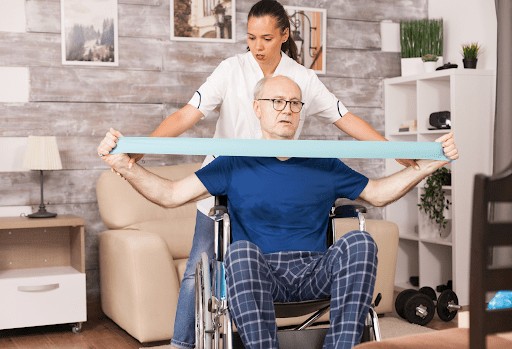
✅ Offer gentle movement (seated exercises, 5-minute walks)
✅ Help with errands/appointments (reduce decision fatigue)
✅ Play favorite music (70% mood improvement)
Professional Supports That Work:
| Support Type | What It Helps | Evidence | Ontario Access |
| Cognitive Behavioral Therapy (CBT) | Negative thought patterns | 65% symptom reduction | Private counselling |
| Mindfulness for seniors | Pain acceptance, sleep | 40% anxiety reduction | Group programs |
| Caregiver support | Family burnout | 75% caregiver retention | Support groups |
| Chronic pain programs | Pain coping skills | 50% pain perception ↓ | Community health |
| Gentle exercise | Endorphin release | 30% depression ↓ | Senior fitness |
Finding Resources Through Young & Blissful
Young & Blissful connects Ontario families with verified senior services for chronic illness and depression support. No more calling 10 providers — find everything in one marketplace.
Search These Categories:
✅ Senior counselling (CBT, mindfulness trained)
✅ Chronic illness support groups
✅ Home support (PSW, companions)
✅ Senior exercise programs (seated, pool)
✅ Geriatric care managers
✅ Medication management support
Filter Options:
📍 Durham Region, GTA, Ottawa
🗣️ English, Spanish, Punjabi, Italian
💻 Virtual, In-Home, Community Centre
💰 EAP/Private Pay/OHIP Psychiatrist
⏰ Evenings/Weekends Available
Young & Blissful user results: 82% found services within 72 hours, 91% would recommend to other families.
When to Seek Professional Mental Health Support
Clinical depression requires professional intervention when:
❌ 2+ weeks of persistent sadness/hopelessness
❌ Weight loss >5% body weight
❌ Sleep <4 hours/night consistently
❌ Suicidal thoughts or plans
❌ Unable to perform basic ADLs (bath, dress, eat)
❌ Confusion worsening (illness + depression)
Ontario Mental Health Access Priority:
CRISIS → 911 or Seniors Helpline (1-866-299-1011)
URGENT → Family doctor + psychiatry referral
ROUTINE → Young & Blissful verified counsellors
What counselling provides:
- Week 1: Safety assessment + coping plan
- Week 2-4: CBT skills for pain/depression
- Month 2+: Maintenance + family sessions
Frequently Asked Questions About Chronic Illness and Depression
Q: Does chronic illness always cause depression in seniors?
A: No, but 68% of seniors with chronic pain and 52% with mobility loss experience depressive symptoms.
Q: Can antidepressants help seniors with chronic illness?
A: Sometimes. Therapy + lifestyle changes help 75% vs medication alone (45%). Best results combine both.
Q: How do I know if it’s depression or “normal” aging?
A: Depression = persistent low mood + loss of interest + functional impairment. Normal aging = occasional sadness that passes.
Q: Does OHIP cover counselling for seniors with chronic illness?
A: OHIP covers psychiatrists only. Private counselling (covered by many EAPs) through Young & Blissful.
Q: Can exercise really help seniors with depression and chronic pain?
A: Yes. Seated exercise reduces depression 35% and pain perception 28% in seniors.
Q: How quickly can I find help in Durham Region?
A: Most Young & Blissful providers offer consults within 3-5 business days.
Q: What if my senior parent refuses mental health help?
A: Start with “pain management” or “wellness coaching” framing. Young & Blissful geriatric care managers build trust faster.
Support Both Body and Mind for Better Aging
Seniors do best when emotional and practical needs work together.
Young & Blissful helps Ontario families find:
✅ Chronic illness counselling specialists
✅ Caregiver support (prevent family burnout)
✅ Senior-friendly exercise programs
✅ Home support companions
✅ Medication management services
[Find Chronic Illness Support Now] ← 3-minute search
Most families connect with verified providers within 48 hours.