Art therapy for seniors is becoming a key wellness service in retirement homes and assisted living communities. Group art sessions give residents a chance to express themselves, connect with others, and improve emotional well‑being in a relaxed, creative setting. This Q&A answers common questions about group art therapy in senior homes and how it can enhance quality of life.
1. What is art therapy for seniors in a retirement home?
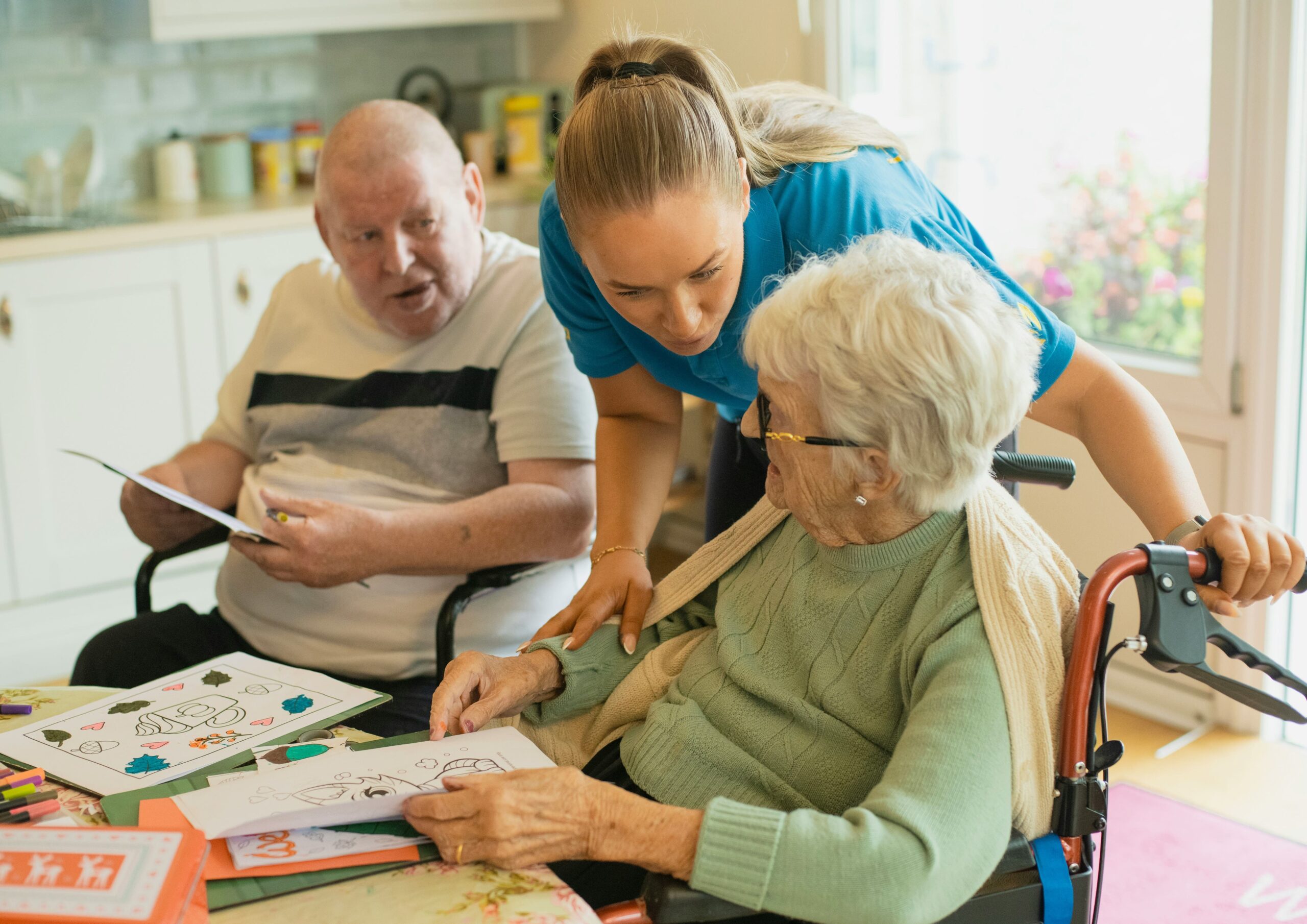
Art therapy is a mental health profession that uses creative activities—such as drawing, painting, collage, or clay—to support emotional, cognitive, and social health. In a senior home, group art therapy sessions are led by a trained art therapist who understands aging, dementia, grief, and other senior‑related issues.
Unlike a regular craft class, art therapy focuses on how residents feel and what they express while creating, not on making a “perfect” artwork. Seniors are encouraged to tell stories, explore memories, and express feelings in a safe, non‑judgmental environment. The retirement home setting makes it easy to integrate art therapy into regular wellness programming.
2. What are the benefits of group art therapy in senior homes?
Group art therapy in a senior home setting offers several powerful benefits:
- Emotional support: Creating art helps seniors express sadness, loss, anxiety, or joy when words alone are hard to find.
- Social connection: Group sessions reduce loneliness and isolation by bringing residents together in a shared, positive activity.
- Cognitive stimulation: Art‑making can support memory, attention, and problem‑solving, especially when combined with storytelling.
- Sense of purpose: Finishing a piece of artwork—even a simple one—gives seniors a sense of accomplishment and pride.
- Reduced stress: Gentle, hands‑on activities can lower stress and promote relaxation, especially for residents who feel overwhelmed by change.
These benefits make art therapy a valuable addition to other senior services such as recreation programs, memory care, and mental health support.
3. How is group art therapy in a senior home different from a regular art or craft class?
While both can be enjoyable, they have different goals:
- Regular craft classes focus on teaching a project or skill and producing a finished item.
- Group art therapy focuses on emotional expression, coping, and communication, guided by a mental health professional.
In art therapy, there is no “right” or “wrong” way to create. The emphasis is on the resident’s experience, stories, and feelings. The art therapist may gently guide conversations about memories, life transitions, or current challenges, helping residents feel seen and heard in a deeper way than a typical activity session.
4. Is group art therapy suitable for seniors with dementia or limited mobility?
Yes—group art therapy can be adapted for seniors with a wide range of abilities:
- For dementia: Simple materials, clear choices, and repetitive motions can be calming and engaging. Artwork can spark memories and support communication even when language is limited.
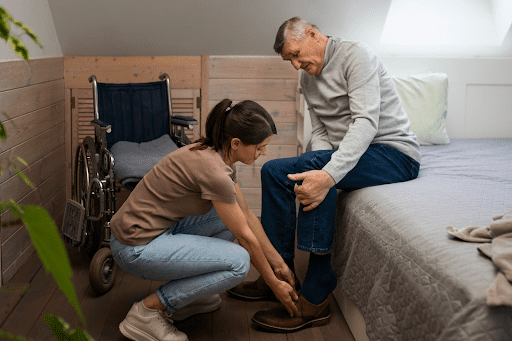
- For limited mobility: Sessions can be set up at tables or bedsides, using lightweight tools and larger paper or canvas. Residents can participate seated, with supports as needed.
- For vision or hearing changes: High‑contrast colors, larger shapes, and clear verbal or visual cues help seniors engage comfortably.
The art therapist designs each session to match the abilities and needs of the residents in your retirement home.
5. How can our senior home choose an art therapist and start a program?
When introducing art therapy as a senior service in your retirement home, consider:
- Qualifications: Look for a credentialed art therapist with experience in geriatrics, dementia care, or mental health.
- Approach: Ask how they adapt sessions for different cognitive and physical abilities.
- Program design: Discuss group size, frequency (weekly or bi‑weekly), and whether you want themes such as “memories,” “seasons,” or “gratitude.”
- Collaboration: Ensure they are willing to collaborate with nursing, recreation, and family members when appropriate.
Invite residents and families to a trial session or open house to see how group art therapy fits your community. Adding art therapy for seniors to your retirement home’s wellness offerings can set your residence apart and provide a meaningful, therapeutic outlet for your residents.