Adult day programs in Ontario provide supervised daytime programming for adults and seniors who live at home but need social connection, routine, support, or caregiver respite. These programs may help people living with dementia, physical disability, social isolation, communication challenges, or changing daily needs. Families should compare programs by location, transportation, dementia support, meals, activities, fees, availability, and caregiver communication.
This guide is for seniors, adult children, caregiver spouses, and family caregivers looking for practical support in Ontario.
Quick Answer
- Adult day programs offer partial-day or full-day supervised programming in a community setting.
- Programs may include social activities, recreation, meals, personal care, basic health support, and caregiver respite.
- Ontario Health atHome says adult day programs may support adults living at home, including people with Alzheimer’s disease, related dementias, physical disabilities, stroke recovery, or brain injury needs.
- Some programs are dementia-specific, while others support a broader group of older adults.
- Families can ask Ontario Health atHome, local community agencies, Alzheimer Society programs, or local senior-service directories about options near them.
What Are Adult Day Programs?
Adult day programs are supervised programs outside the home. They are usually offered in community centres, senior-service agencies, health organizations, or specialized dementia-support settings.
Ontario Health atHome describes adult day programs as partial or full-day supervised programming in a community group setting for adults living in the community. Programs may serve people with Alzheimer’s disease and related dementias, physical disabilities, stroke recovery, or brain injury needs.
In plain language, an adult day program gives the senior a safe place to spend part of the day while giving the caregiver a planned break.
A program may include:
- Group activities
- Gentle exercise
- Music or art
- Games and conversation
- Meals and snacks
- Personal care support
- Basic health monitoring
- Dementia-friendly routines
- Caregiver respite
Who Do Adult Day Programs Help?
Adult day programs may help seniors and adults who live at home but need more daytime structure or support.
They may be helpful for someone who:
- Lives with dementia or memory loss
- Feels lonely or isolated
- Has a physical disability
- Is recovering from stroke or brain injury
- Has communication challenges
- Needs supervision during the day
- Benefits from routine and social activity
- Has a caregiver who needs regular respite
- Is not ready for long-term care but needs more support than family can provide alone
Ontario Health atHome lists eligibility factors that may include living at home, difficulty with daily living activities, benefit from a small-group social and supportive setting, cognitive disability, physical disability, chronic illness, communication disability, social isolation, being 18 or older, and having a valid health card.
Eligibility, waitlists, referral steps, and fees can vary by region and program.
Why Adult Day Programs Matter for Caregivers in Ontario
Caregiving can be rewarding, but it can also be tiring. Many caregivers support bathing, meals, medications, transportation, appointments, supervision, and emotional needs while also working or caring for their own families.
Adult day programs can give caregivers a regular break. This can help a spouse attend appointments, rest, work, run errands, or spend time with other family members.
The need is growing. Provincial Geriatrics Leadership Ontario reported rising caregiver distress among people supporting older adults living with frailty, even as respite bed availability declines in many regions. The same report noted access challenges and wait-time pressures across specialized seniors’ care services in Ontario.
Adult day programs are not a complete solution for every family. But they can be an important part of a care plan.
What Services May Be Offered?
Services vary by program. Always ask what is included before registering.
Social and Recreational Activities
Many adult day programs offer structured activities that support social connection and routine.
Activities may include:
- Music
- Art
- Games
- Gentle fitness
- Group conversation
- Crafts
- Gardening
- Holiday events
- Memory-friendly activities
- Community outings, where appropriate
Ontario Health atHome says adult day programs may provide recreational and social activities tailored to special needs.
Dementia Support
Some adult day programs are designed for people living with Alzheimer’s disease or other forms of dementia. These programs may offer familiar routines, trained staff, cueing, redirection, and activities matched to the person’s abilities.
Dementia support may be helpful when a senior:
- Needs supervision during the day
- Repeats questions often
- Wanders or becomes restless
- Feels anxious when alone
- Benefits from routine
- Has a caregiver who needs planned relief
The Alzheimer Society of Ontario offers education, support, First Link referrals, Minds in Motion, and other programs for people living with dementia and their care partners.
Meals and Snacks
Many adult day programs include meals or snacks. This can help families who worry that a senior is skipping meals, eating alone, or forgetting to drink enough fluids.
Ontario Health atHome’s adult day program information sheet says programs offer nutritious meals and snacks, and that trained professionals work with participants and families to meet program goals.
Ask if the program can support:
- Food allergies
- Diabetes-friendly meals
- Texture-modified diets
- Cultural or religious food needs
- Hydration reminders
- Help opening containers or eating
Personal Care and Basic Health Support
Some programs may help with personal care or basic health support. This might include help with toileting, reminders, mobility support, or monitoring general well-being.
Ontario Health atHome says participants may benefit from meals, personal care, and basic health care services tailored to their needs.
Ask exactly what the program can and cannot do. Some health tasks may require nursing or another regulated health professional.
Respite for Family Caregivers
Adult day programs provide planned caregiver respite. This means the caregiver knows the senior is in a supervised setting while they take time for rest, work, errands, or appointments.
Respite can help:
- Spouses who provide care every day
- Adult children balancing work and caregiving
- Families caring for someone with dementia
- Caregivers who are losing sleep
- Families trying to delay or avoid crisis planning
Ontario Health atHome states that adult day programs offer respite for families and caregivers to help avoid caregiver burden and allow a break.
Transportation Support
Transportation can decide whether a program is realistic. A program may be excellent, but hard to use if the senior cannot get there.
Ask:
- Is transportation included?
- Is it door-to-door?
- Is it wheelchair accessible?
- Are walkers and mobility aids allowed?
- What time is pickup and drop-off?
- Can a caregiver bring the senior instead?
- Is transportation an extra cost?
- What happens during bad weather?
If transportation is not included, families may need senior transportation services, volunteer driver programs, taxi support, or family scheduling.
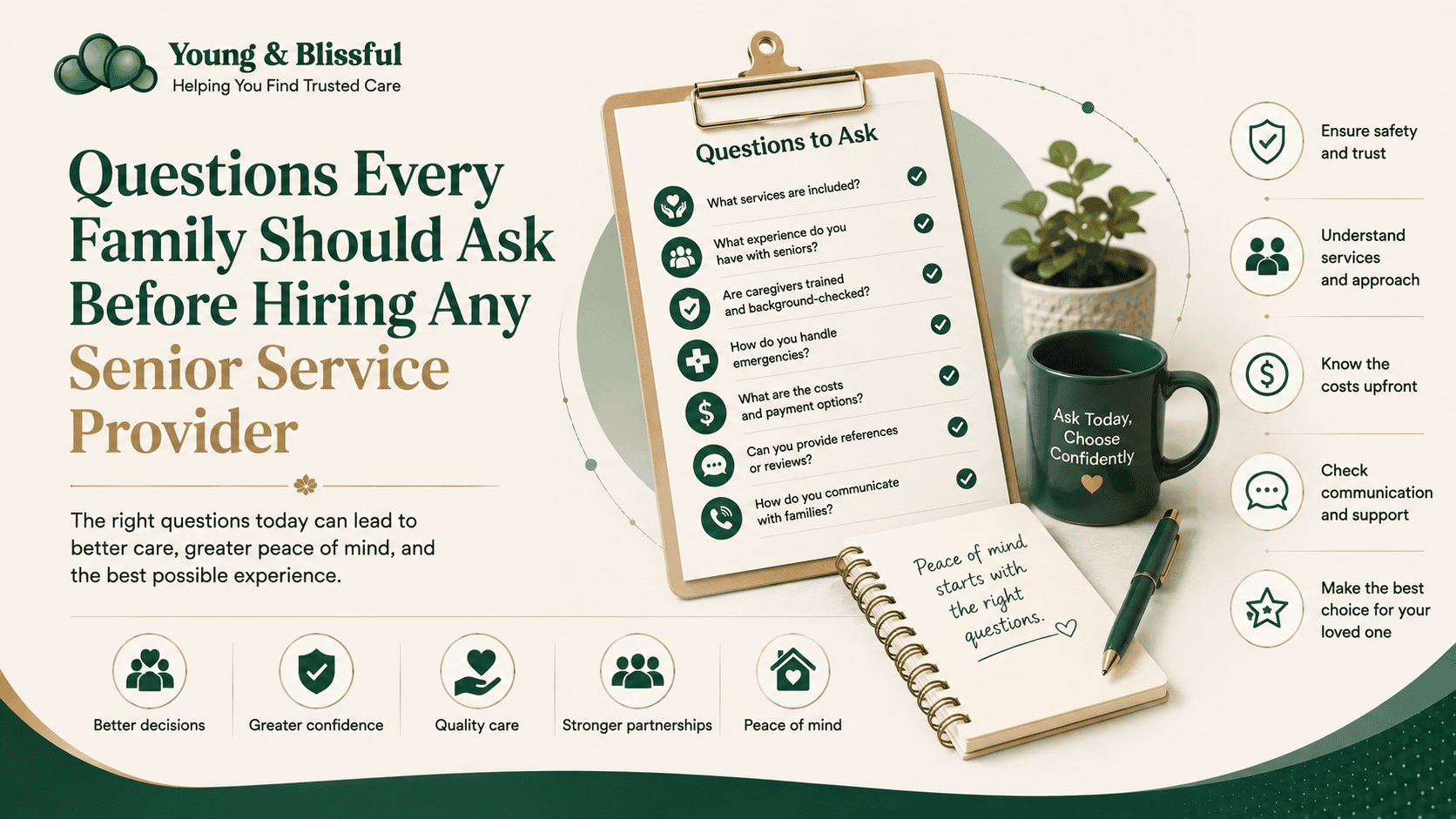
How to Compare Adult Day Programs Before You Contact Them
Families searching for “adult day program near me” or “adult day programs Ontario” should compare programs before applying.
Look at:
- Location and service area: Is the program close enough for regular attendance?
- Transportation: Is pickup and drop-off available?
- Dementia support: Does the program support memory loss, wandering risk, anxiety, or behaviour changes?
- Activities: Are activities meaningful for the senior’s interests and abilities?
- Meals: Are meals and snacks included?
- Personal care: Can staff help with toileting, mobility, eating, or cueing?
- Hours: Is it half-day, full-day, weekday-only, or flexible?
- Availability: Is there a waitlist?
- Fees: What is the daily fee, and are subsidies available?
- Staff training: Do staff have senior-care, dementia-care, or personal-support experience?
- Communication: Will caregivers receive updates?
- Accessibility: Is the space safe for walkers, wheelchairs, hearing loss, vision changes, or language needs?
- Trial visit: Can the senior visit before joining?
Young & Blissful can help families compare Caregiver Support Programs, Daily Living services, Transportation, Home Care, and dementia-related supports by category, location, and service type across Ontario.
Costs and Considerations in Ontario
Adult day program costs vary. Some programs are partly publicly funded, but families may still pay a daily fee.
Ontario Health atHome’s adult day program information sheet says adult day programs are funded in part by the Ministry of Health through Ontario Health, that participants are required to pay a fee, that daily fees differ among programs, and that subsidies may be available.
Before registering, ask:
- What is the daily fee?
- Are meals included?
- Is transportation included?
- Are there extra fees for special outings?
- Are subsidies available?
- Is there a waitlist?
- What happens if the senior is sick?
- What is the cancellation policy?
- Can attendance increase or decrease over time?
- Is there help with forms or referrals?
Families should also ask whether the program is right for the senior’s stage of dementia, mobility, behaviour needs, language, culture, diet, and comfort level.
Tips for Seniors, Caregivers, and Adult Children
Start with one or two days per week if the senior is unsure. A gradual start may feel easier than a sudden schedule change.
Use positive language. Instead of saying, “You need daycare,” try:
- “This is a social program.”
- “You can try activities and lunch.”
- “It gives both of us a routine.”
- “Let’s visit and see what it feels like.”
Send helpful information to the program, such as:
- Preferred name
- Language needs
- Food needs
- Mobility needs
- Toileting needs
- Triggers or calming strategies
- Favourite music or activities
- Emergency contacts
- Medication information, if requested
- Dementia or behaviour notes, if relevant
For caregivers, write down what you need from respite. Is it time to work, sleep, attend appointments, shop, exercise, or simply rest? That helps you choose the right schedule.
Common Mistakes to Avoid
Waiting until the caregiver is exhausted.
Programs may have waitlists. Start looking before a crisis.
Choosing only by distance.
Location matters, but dementia support, activities, transportation, meals, and staff fit also matter.
Not asking about transportation.
A program is harder to use if there is no safe way to get there.
Assuming all programs support dementia in the same way.
Ask about staff training, wandering risk, behaviour support, and memory-friendly activities.
Forgetting the senior’s preferences.
The program should fit the person’s interests, comfort, language, culture, and routine.
Not asking about fees or subsidies.
Daily fees differ among programs, and subsidies may be available. Confirm before starting.
Using respite only for errands.
Caregiver rest matters too. Respite can be used for sleep, exercise, social time, or quiet recovery.
Provider Checklist
Use this checklist before choosing an adult day program in Ontario:
- Is the program close enough for regular attendance?
- Does it serve your city, neighbourhood, or region?
- Is transportation available?
- Is transportation door-to-door or wheelchair accessible?
- Does the program support dementia or memory loss?
- Are meals and snacks included?
- Can staff help with toileting, mobility, eating, or cueing?
- What activities are offered?
- Are activities suited to the senior’s interests and abilities?
- What are the hours and available days?
- Is there a waitlist?
- What is the daily fee?
- Are subsidies available?
- Are reviews, testimonials, or referrals available?
- Can caregivers receive updates?
- Can the senior visit before enrolling?
- Is the program appropriate for the senior’s mobility, memory, language, culture, hearing, vision, diet, and comfort level?
Related Services to Explore on Young & Blissful
- Caregiver Support Programs — respite care, caregiver coaching, support groups, dementia education, and care planning.
- Daily Living & Lifestyle Support — meal help, errands, companionship, social programs, and practical home support.
- Home Care & Personal Support — PSW help, bathing assistance, dressing support, companionship, dementia companion care, and respite care.
- Transportation Services — rides to adult day programs, medical appointments, community programs, and errands.
- Mental Health & Wellness — counselling, caregiver stress support, grief support, and social wellness programs.
- Technology Help for Seniors — calendar reminders, family video calls, online program registration, and caregiver communication tools.
FAQs
What are adult day programs in Ontario?
Adult day programs are supervised community programs for adults and seniors who live at home and need social, recreational, therapeutic, or supportive daytime activities. They may also provide meals, personal care, basic health support, and respite for caregivers.
Who can attend an adult day program?
Eligibility varies by program. Ontario Health atHome says adult day programs may support adults living at home who have difficulty with daily activities, social isolation, cognitive disability, physical disability, chronic illness, communication disability, or related support needs.
Do adult day programs help people with dementia?
Yes, many adult day programs support people living with Alzheimer’s disease or related dementias. Some programs are dementia-specific, while others support people with mixed needs.
How much do adult day programs cost in Ontario?
Costs vary by program. Ontario Health atHome says adult day programs are partly funded through Ontario Health, but participants pay a fee, daily fees differ, and subsidies may be available.
Do adult day programs include transportation?
Some programs offer transportation, but not all do. Ask whether pickup and drop-off are included, whether the service is accessible, and whether transportation costs extra.
How do adult day programs support caregivers?
Adult day programs give caregivers planned respite while the senior attends supervised programming. This can give caregivers time to work, rest, attend appointments, shop, or manage other responsibilities.
How do I find an adult day program near me?
Start with Ontario Health atHome, local community support agencies, Alzheimer Society programs, or a senior-service marketplace. Young & Blissful can help families compare caregiver support and related senior services by location and category across Ontario.
Key Takeaways
- Adult day programs in Ontario provide supervised daytime support for adults and seniors living at home.
- Programs may help with dementia support, social connection, meals, activities, personal care, and caregiver respite.
- Caregiver distress is rising in Ontario, and respite options may be under pressure in some regions.
- Families should compare programs by location, transportation, dementia support, meals, hours, fees, accessibility, and staff communication.
- Some programs have waitlists, so it helps to start early.
- Fees vary, and subsidies may be available.
- Young & Blissful can help families explore Caregiver Support Programs and related senior services across Ontario.
Conclusion + CTA
Adult day programs can support both the senior and the caregiver. Seniors may benefit from routine, social connection, meals, activities, and supportive care. Caregivers may benefit from planned time to rest, work, attend appointments, or manage daily life.
The best program is not always the closest one. It is the one that fits the senior’s needs, interests, mobility, memory, transportation, and comfort level.
Young & Blissful helps Ontario families explore Caregiver Support Programs, Home Care & Personal Support, Daily Living services, Transportation, Mental Health & Wellness, and Technology Help for Seniors. Use it as a starting point to compare local options near you.