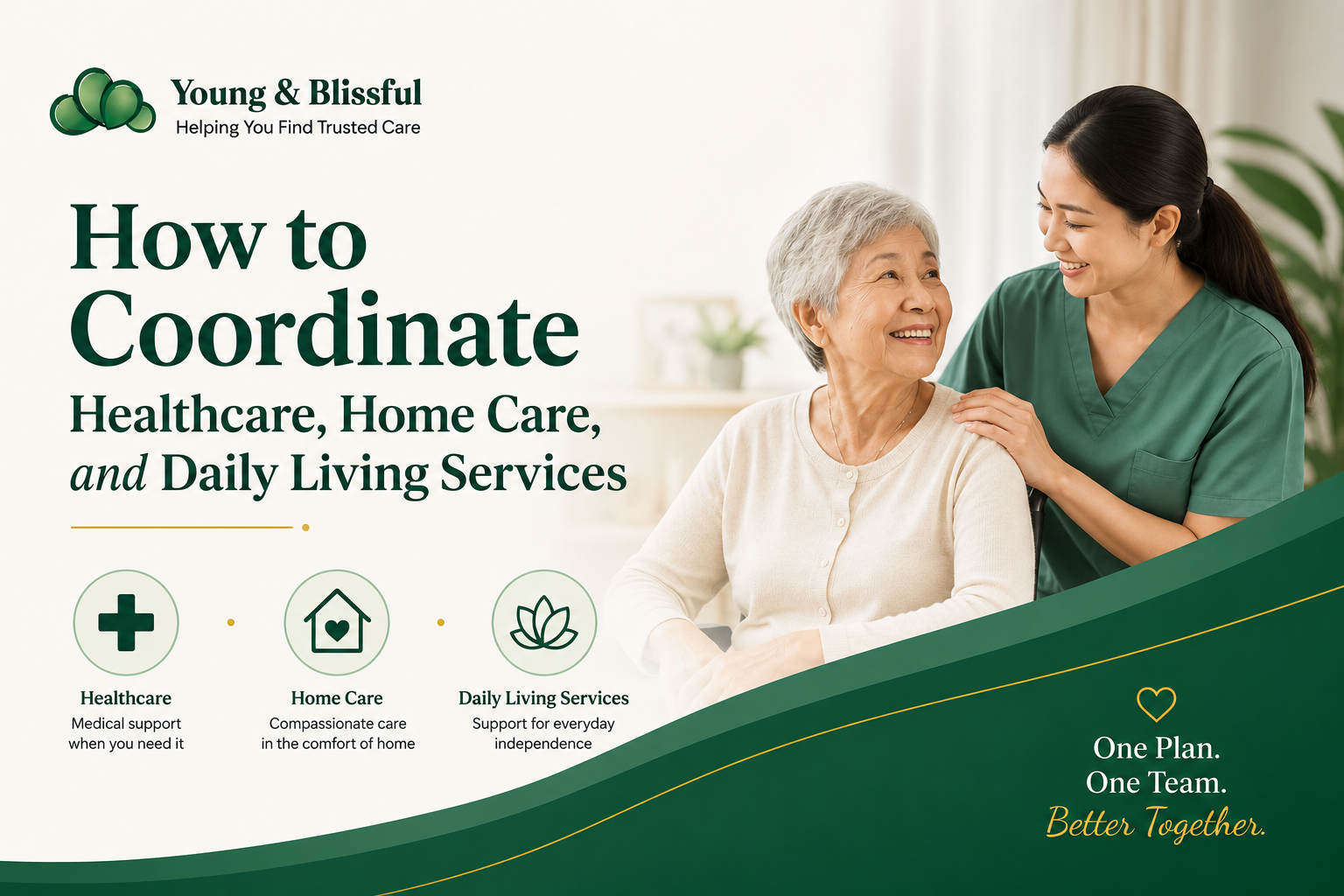
Ontario Health atHome vs private home care is not always an either-or choice. Many Ontario families use public home care for eligible health and personal support services, then add private home care for extra hours, transportation, respite, meals, companionship, or faster scheduling. The best plan depends on the senior’s needs, safety risks, caregiver stress, location, and available services.
This guide is for seniors, adult children, spouses, and family caregivers comparing home care options in Ontario.
Quick Answer
- Ontario Health atHome helps eligible people access publicly funded home and community care services in Ontario.
- Public services may include nursing, personal support, physiotherapy, occupational therapy, speech-language therapy, social work, nutrition counselling, and some medical supplies or equipment, based on assessment.
- Ontario says eligible seniors and people with complex medical conditions may receive government-paid services in the home and community.
- Families can also pay for private home care through private companies.
- Private care may help with extra PSW hours, meals, transportation, respite, companionship, overnight support, and schedule gaps.
What Is Ontario Health atHome?
Ontario Health atHome is the public pathway for home and community care in Ontario. It helps people access care at home, at school, and in the community.
Ontario Health atHome says its care coordinators work with patients to determine the right care and health supports, develop an individualized care plan, and connect people with services that fit their needs and goals.
A family may contact Ontario Health atHome when a senior:
- Needs help after a hospital stay
- Has chronic health conditions
- Needs personal care support
- Needs nursing care
- Has mobility or safety concerns
- Needs therapy at home
- Needs help understanding community services
- May need long-term care placement support
Ontario Health atHome also says anyone can make a referral with the person’s consent, including the senior, a family member, caregiver, friend, neighbour, family doctor, or other health professional.
What Is Private Home Care?
Private home care is support that families arrange and pay for directly through private providers, agencies, independent professionals, or community services.
Private home care may include:
- Personal support workers
- Companionship
- Bathing and dressing support
- Meal preparation
- Light housekeeping
- Overnight support
- Respite care
- Transportation
- Dementia companion care
- Post-hospital support
- Medication reminders
- Private nursing
- Private physiotherapy or occupational therapy
Private care can be short-term, long-term, part-time, or added around public services. It may be useful when a family needs more flexibility, faster start dates, extra hours, or non-medical daily support.
Ontario Health atHome vs Private Home Care: What Is the Difference?
| Comparison Point | Ontario Health atHome | Private Home Care |
| Funding | Publicly funded for eligible people after assessment | Paid privately, through insurance, benefits, or out of pocket |
| Access | Referral and assessment process | Families contact providers directly |
| Services | Health and personal support services based on assessed need | Varies by provider and family budget |
| Scheduling | Based on eligibility, urgency, availability, and care plan | Often more flexible, depending on provider availability |
| Best for | Nursing, assessed personal support, therapy, care coordination | Extra hours, companionship, respite, meals, transportation, schedule gaps |
| Care planning | Care coordinator may help plan services | Family and provider create a private care plan |
| Community referrals | Can connect families to community services | May coordinate with family and other providers if requested |
The key difference is that Ontario Health atHome is publicly funded and assessment-based. Private home care is arranged directly and paid privately.
What Public Home Care May Cover in Ontario
Ontario Health atHome provides a wide range of services and resources covered through OHIP, delivered in the home or at a nursing clinic, depending on assessment. Services may include nursing, personal support, physiotherapy, occupational therapy, speech-language therapy, social work, nutrition counselling, medical supplies and equipment, long-term care placement support, and specialized programs.
Public home care may help with:
- Wound care
- Medication-related nursing support
- Personal care such as bathing and dressing
- Rehabilitation after illness, injury, or hospital discharge
- Occupational therapy recommendations
- Speech-language therapy
- Nutrition counselling
- Social work support
- Care coordination
- Referrals to community supports
Ontario Health atHome also says it can connect people with community resources such as meal delivery, transportation, adult day programs, caregiver support, and respite care when someone needs extra supports or is not eligible for direct services.
Where Private Home Care May Help Fill Gaps
Private home care may help when public care does not cover every daily need or when the family needs support before, between, or beyond scheduled public visits.
Private care may help with:
- Extra PSW hours
- Morning and evening routines
- Overnight supervision
- Companionship
- Dementia companion care
- Meal preparation
- Grocery help
- Transportation
- Respite for family caregivers
- Light housekeeping
- Laundry
- Escorting to appointments
- Post-hospital monitoring
- Safety check-ins
Private care may also be useful when a senior is waiting for assessment, waiting for services to begin, or needs help that is practical but not strictly medical.
How Families Can Combine Public and Private Support
A combined care plan should be simple. Start with what Ontario Health atHome can assess and arrange. Then identify the gaps the family still needs to cover.
PSW Support
Ontario Health atHome may arrange personal support services such as help with bathing and dressing, based on assessment.
Private PSW support may help when:
- The senior needs more frequent help
- Public visits do not match preferred times
- A caregiver needs relief
- Morning or bedtime routines are difficult
- The senior needs companionship between visits
Families can combine public PSW visits with private PSW hours for evenings, weekends, or extra care after hospital discharge.
Nursing Support
Public nursing may be arranged for eligible needs such as wound care, medication-related support, or post-hospital care. Ontario Health atHome’s home care information includes nursing among possible assessed services.
Private nursing may help when:
- The family wants extra nursing visits
- Care is needed outside the public schedule
- A private clinic or in-home nurse is preferred
- More teaching or follow-up is needed
Always ask whether the task needs a nurse or another regulated health professional.
Transportation
Transportation is often not the first thing families think about, but it can decide whether care actually works.
A senior may need rides to:
- Medical appointments
- Nursing clinics
- Adult day programs
- Pharmacy visits
- Physiotherapy
- Diagnostic tests
- Family visits
- Cooling centres in summer
Ontario Health atHome says it can connect people with transportation services and other community supports. Private transportation may help when rides are needed quickly, regularly, or with door-to-door support.
Respite Care
Respite care gives family caregivers a planned break. This can be in-home, through adult day programs, or through other community supports.
Ontario Health atHome lists caregiver support and respite care among community supports it can help people find.
Private respite may help when:
- A spouse needs rest
- Adult children are balancing work and caregiving
- The senior needs supervision
- Public or community respite has a waitlist
- Overnight help is needed
Meal Support
Meal support may include meal delivery, grocery help, simple cooking, or help setting up easy meals.
Ontario Health atHome’s community care information includes meal delivery and dining programs as assistive community services that can support independence and caregiver support.
Private meal support may help when:
- The senior skips meals
- Cooking is unsafe
- The caregiver cannot visit daily
- The senior needs culturally familiar meals
- Meals need to be prepared and placed within reach
Occupational Therapy and Home Safety
Ontario Health atHome may provide occupational therapy after assessment. Occupational therapy can help with home safety, equipment needs, transfers, bathroom safety, and aging-in-place planning.
Private OT may help when:
- Families want a home safety assessment quickly
- The senior has falls or mobility changes
- Bathroom safety is a concern
- Equipment or home modifications are needed
- A family wants guidance before discharge from hospital
A combined plan may include public OT assessment, private equipment installation, and private PSW support while changes are being made.
How to Compare Providers Before You Contact Them
When comparing Ontario Health atHome vs private home care, first separate the needs into two groups:
Health and assessed care needs: nursing, therapy, personal support, care coordination, wound care, rehabilitation.
Daily living and gap support: meals, transportation, extra hours, companionship, respite, errands, housekeeping, overnight support.
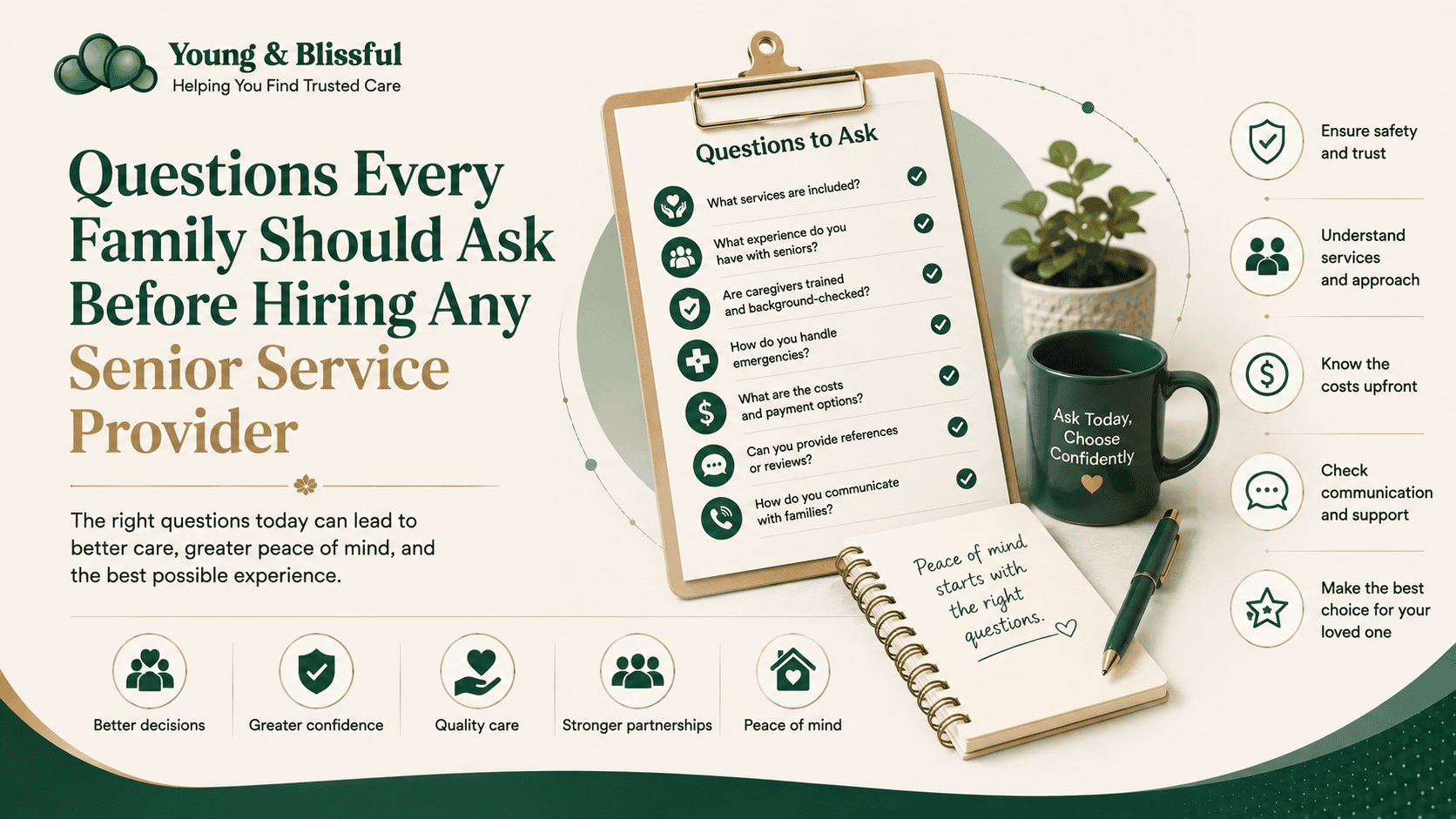
Before contacting a private provider, compare:
- Location and service area: Do they serve your city or neighbourhood?
- Availability: Can they start soon? Do they offer evenings, weekends, or overnight support?
- Senior experience: Do they work regularly with older adults?
- Services offered: PSW, nursing, respite, meals, transportation, companionship, dementia care, or therapy?
- Public-care coordination: Can they work around Ontario Health atHome visits?
- Communication: Can they update adult children or caregivers?
- Pricing transparency: Are rates, minimum hours, travel fees, and cancellation rules clear?
- Credentials and safety: Are training, screening, insurance, and supervision explained?
- Reviews or ratings: Are family reviews available?
- Flexibility: Can care increase or decrease if public services change?
Young & Blissful helps families compare Home Care & Personal Support providers and related senior services by category, location, and service type across Ontario.
Costs and Considerations in Ontario
Public home care through Ontario Health atHome is based on eligibility and assessment. Ontario says that if a person qualifies, the Ontario government pays for a wide range of services in the home and community. Ontario Health atHome also says services covered through OHIP may be provided in the home or at a nursing clinic, based on assessment.
Private home care costs vary by provider, location, service type, level of care, time of day, visit length, and frequency. Families may pay out of pocket or use private insurance, workplace benefits, veterans’ benefits, or other funding sources when available.
Before booking private care, ask:
- What is the hourly or visit rate?
- Is there a minimum number of hours?
- Are evenings, weekends, or holidays more expensive?
- Is transportation included?
- Are supplies included?
- Are receipts available?
- Can services pause if public support starts?
- Can care be short-term after hospital discharge?
- Who supervises the worker?
- What happens if the regular caregiver is unavailable?
Do not assume public and private services cover the same tasks. Ask each provider what they can and cannot do.
Tips for Seniors, Caregivers, and Adult Children
Start with an assessment. Contact Ontario Health atHome if the senior may need publicly funded home or community care.
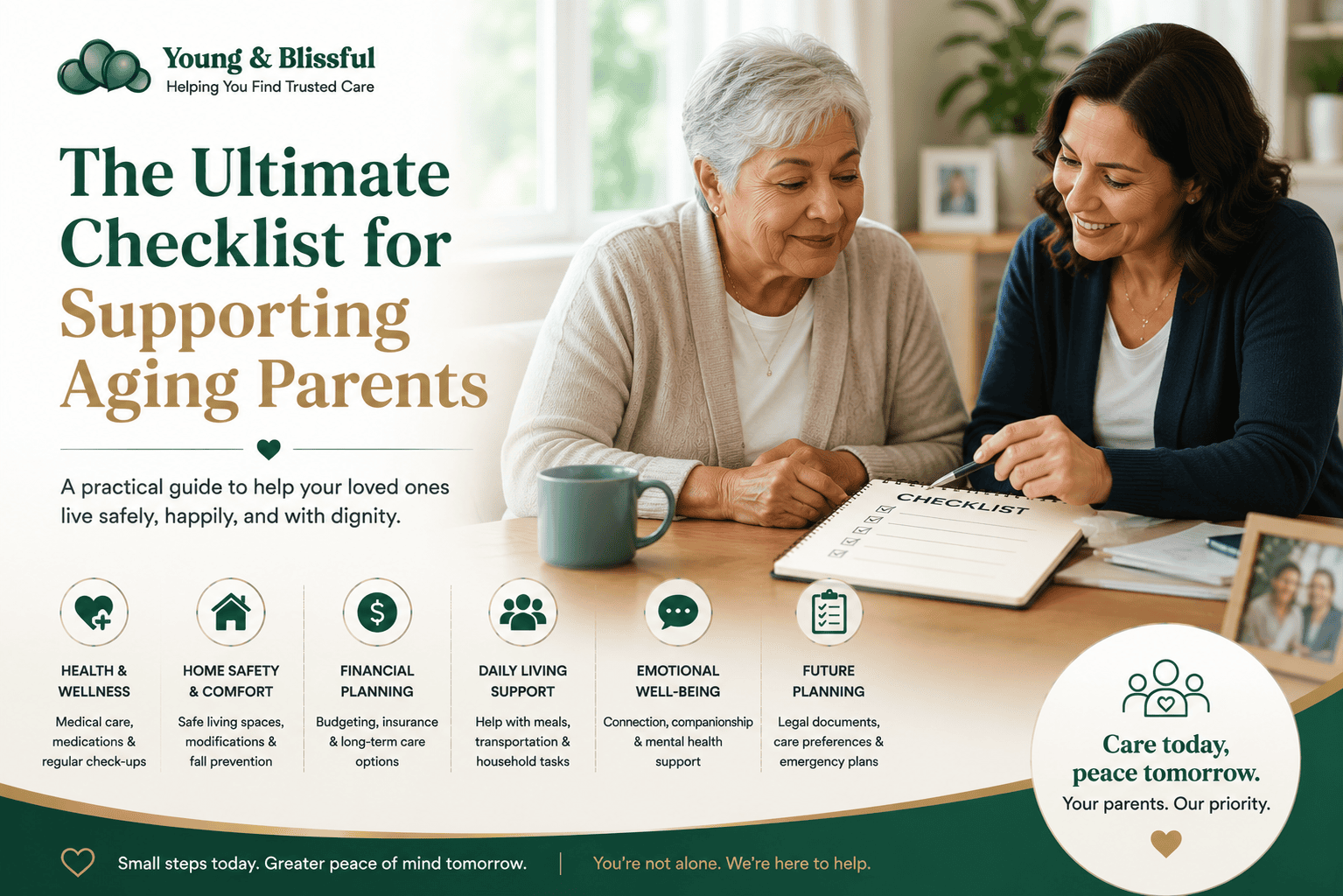
Write down the senior’s daily needs:
- Bathing
- Dressing
- Toileting
- Meals
- Medication routine
- Walking
- Stairs
- Transportation
- Appointments
- Memory support
- Overnight safety
- Caregiver stress
Then mark what is covered, what is not covered, and what still feels unsafe or stressful.
Use a shared calendar. Put public visits, private visits, family check-ins, appointments, transportation, meal deliveries, and respite times in one place.
Keep all providers informed, with the senior’s consent. This helps avoid confusion and duplicated work.
Common Mistakes to Avoid
Thinking public and private care cannot be combined.
Many families use both.
Waiting until the caregiver is exhausted.
Start comparing options before burnout or crisis.
Assuming public care covers every daily need.
Public care is based on assessment and available services.
Not asking what private providers can legally do.
Medication administration, wound care, and clinical tasks may require regulated professionals.
Choosing only by price.
Reliability, training, communication, supervision, and safety matter.
Not planning transportation.
Appointments, clinics, adult day programs, and pharmacy visits often require separate planning.
Not updating the care plan.
Needs can change after a fall, hospital stay, new diagnosis, medication change, or caregiver illness.
Provider Checklist
Use this checklist before choosing a private provider to combine with Ontario Health atHome support:
- Does the provider serve your city, neighbourhood, or region?
- Do they work with seniors?
- Can they coordinate around Ontario Health atHome visits?
- Do they offer PSW, nursing, respite, transportation, meals, companionship, or therapy?
- Are services in-home, clinic-based, virtual, or hybrid?
- Are prices, minimum hours, travel fees, and cancellation rules clear?
- Are credentials, training, screening, supervision, and insurance explained?
- Are reviews or ratings available?
- Can they communicate with adult children or caregivers if the senior agrees?
- Can they increase or reduce care if public services change?
- Do they have backup staff?
- Do they explain what tasks require a nurse or regulated professional?
- Is the service appropriate for the senior’s health, mobility, memory, language, culture, and comfort level?
Related Services to Explore on Young & Blissful
- Home Care & Personal Support — PSW help, bathing, dressing, toileting, companionship, respite, dementia support, and post-hospital care.
- Medical & Dental Care — nursing, medication support, wound care, pharmacy services, and follow-up care.
- Physiotherapy & Occupational Therapy — mobility support, falls prevention, home safety assessments, and equipment recommendations.
- Transportation Services — rides to appointments, nursing clinics, pharmacies, adult day programs, and community services.
- Daily Living & Lifestyle Support — meal help, grocery support, errands, housekeeping, and companionship.
- Caregiver Support Programs — respite care, caregiver coaching, adult day programs, and family care planning.
FAQs
What is the difference between Ontario Health atHome and private home care?
Ontario Health atHome is the public pathway for assessed home and community care services in Ontario. Private home care is arranged directly by families and paid privately, through insurance, benefits, or out of pocket.
What does Ontario Health atHome cover?
Ontario Health atHome may provide nursing, personal support, physiotherapy, occupational therapy, speech-language therapy, social work, nutrition counselling, medical supplies and equipment, and specialized programs, based on assessment.
Can families use private home care and Ontario Health atHome at the same time?
Yes. Many families use public care for assessed health and personal support needs, then add private care for extra hours, meals, transportation, respite, companionship, or schedule gaps.
How do I contact Ontario Health atHome?
Ontario Health atHome says anyone can make a referral with the person’s consent, including the senior, caregiver, family member, friend, neighbour, physician, or other health professional.
When should families consider private home care?
Private home care may help when a senior needs extra support before public services begin, between public visits, after hospital discharge, overnight, on weekends, or for tasks such as meals, transportation, companionship, and respite.
Does private home care replace public home care?
Not always. Private home care often works best as a supplement. Public care may support assessed medical or personal care needs, while private care may fill practical daily gaps.
Can Ontario Health atHome help with meal delivery or transportation?
Ontario Health atHome says it can connect people with community supports such as meal delivery, adult day programs, transportation, caregiver support, and respite care.
Key Takeaways
- Ontario Health atHome vs private home care is not an either-or decision.
- Ontario Health atHome provides publicly funded services based on eligibility and assessment.
- Private home care may help fill gaps in timing, daily living support, respite, transportation, meals, and companionship.
- Families can combine PSWs, nursing, transportation, respite, meal support, and occupational therapy into one care plan.
- Ask what is covered, what is not covered, and what still feels unsafe or stressful.
- Compare providers by location, availability, training, communication, pricing, and flexibility.
- Young & Blissful can help families compare senior-care providers across Ontario.
Conclusion + CTA
A strong home care plan often uses more than one type of support. Ontario Health atHome may help with assessed public services such as nursing, personal support, therapy, care coordination, and community referrals. Private home care may help with extra hours, transportation, meals, respite, companionship, and schedule gaps.
Start with the senior’s real daily needs. Then build a plan around safety, comfort, caregiver capacity, and available support.
Young & Blissful helps Ontario seniors, caregivers, and adult children explore Home Care & Personal Support, Medical & Dental Care, Transportation, Daily Living, Therapy, and Caregiver Support services. Use it as a starting point to compare local providers near you.