Medication management for seniors at home means helping an older adult take the right medication, at the right time, in the right dose, and in the safest way possible. Families can use medication lists, pill organizers, pharmacy blister packs, reminder alarms, smart pill dispensers, nursing support, and caregiver check-ins to reduce missed doses, double doses, and confusion.
This guide is for seniors, adult children, caregiver spouses, and families in Ontario who want a safer plan for managing medications at home.
Quick Answer
- Medication management helps seniors organize prescriptions, over-the-counter products, vitamins, supplements, and medication routines.
- Families should keep an up-to-date medication list and bring it to all health appointments.
- Ontario Health atHome advises patients to keep medication lists accurate and include prescription, non-prescription, vitamin, and herbal products.
- Ontario’s MedsCheck program allows eligible people to meet with a pharmacist to discuss medications, side effects, interactions, and safe use.
- Technology is growing in this area. AGE-WELL/envisAGE includes projects such as connected pillboxes that release scheduled doses and notify caregivers when the pillbox is handled.
What Is Medication Management for Seniors at Home?
Medication management for seniors at home is the process of organizing, reviewing, reminding, tracking, and safely using medications.
It may include:
- A written or digital medication list
- Pharmacy blister packs
- Weekly pill organizers
- Medication alarms
- Smart pill dispensers
- Family caregiver check-ins
- Pharmacist medication reviews
- Nursing support
- Home care support
- Safe storage and disposal
The goal is not to replace doctors or pharmacists. The goal is to make daily routines easier and safer.
A senior may need medication support if they:
- Take several medications each day
- Have new prescriptions after hospital discharge
- Forget doses
- Take the same medication twice
- Mix up morning and evening pills
- Use several pharmacies
- Have memory, vision, hearing, or hand-strength challenges
- Feel unsure why they take certain medications
- Live alone and need reminders
Why Medication Management Matters for Seniors and Caregivers
Medication routines can become complicated with age. A senior may take pills at different times, use eye drops, inhalers, creams, patches, insulin, or pain medication, and also take vitamins or supplements.
Medication safety matters because mistakes can affect falls, confusion, dizziness, sleep, blood pressure, pain, and hospital visits. Health Canada reported that inappropriate prescribing and use of medications can lead to harms such as falls, fractures, memory impairment, loss of autonomy, hospitalizations, and death. It also reported that about 1.9 million Canadian seniors regularly use at least one inappropriately prescribed medication.
For caregivers, medication management can also create stress. Adult children may worry: “Did Mom take her pills?” “Did Dad take too much?” “Was the medication changed after the hospital visit?”
A clear system can help everyone know what was taken, what was missed, and who to call with questions.
What Tools Can Help Seniors Manage Medication at Home?
There is no single best tool for every senior. The right choice depends on memory, vision, dexterity, medication schedule, caregiver availability, and comfort with technology.
Medication Lists
Every senior should have an updated medication list.
The list should include:
- Medication name
- Dose
- Time of day
- Reason for taking it
- Prescribing doctor
- Pharmacy name and phone number
- Allergies
- Vitamins and supplements
- Over-the-counter medications
- Eye drops, creams, patches, and inhalers
Ontario Health atHome recommends bringing all medications or a medication list to appointments and keeping the list accurate and up to date.
Keep copies:
- On the fridge
- In a wallet
- With the caregiver
- On the phone
- In the hospital bag
Pill Organizers
A pill organizer is a simple box with sections for days and times. Some have morning, noon, evening, and bedtime sections.
Pill organizers may help seniors who:
- Take a small number of medications
- Have a stable routine
- Can see and open the compartments
- Do not have major memory concerns
- Have a caregiver who can fill the organizer correctly
Ask the pharmacist before using a pill organizer. Some medications should stay in original packaging, and some should not be mixed with other pills.
Pharmacy Blister Packs
A blister pack is medication packaging prepared by a pharmacy. Pills are grouped by date and time.
Blister packs can help when:
- The senior takes several medications
- Morning and evening doses are different
- A caregiver wants to check whether a dose was taken
- The senior has trouble reading bottle labels
- The family wants fewer loose bottles at home
Ask the pharmacy:
- Can you prepare blister packs?
- How often are they delivered or picked up?
- What happens when a medication changes?
- Are vitamins or over-the-counter products included?
- How are missed doses handled?
- What should we do if a pack is damaged?
Medication Reminder Apps and Alarms
Medication reminders can be simple. They may include:
- Phone alarms
- Smart speaker reminders
- Calendar alerts
- Medication reminder apps
- Watch alarms
- Caregiver phone calls
These tools may help seniors who understand the reminder and can still safely take the medication on their own.
For seniors with memory loss, reminders may not be enough. A person may turn off an alarm and still forget to take the medication. In that case, caregiver check-ins, blister packs, smart dispensers, or supervised support may be safer.
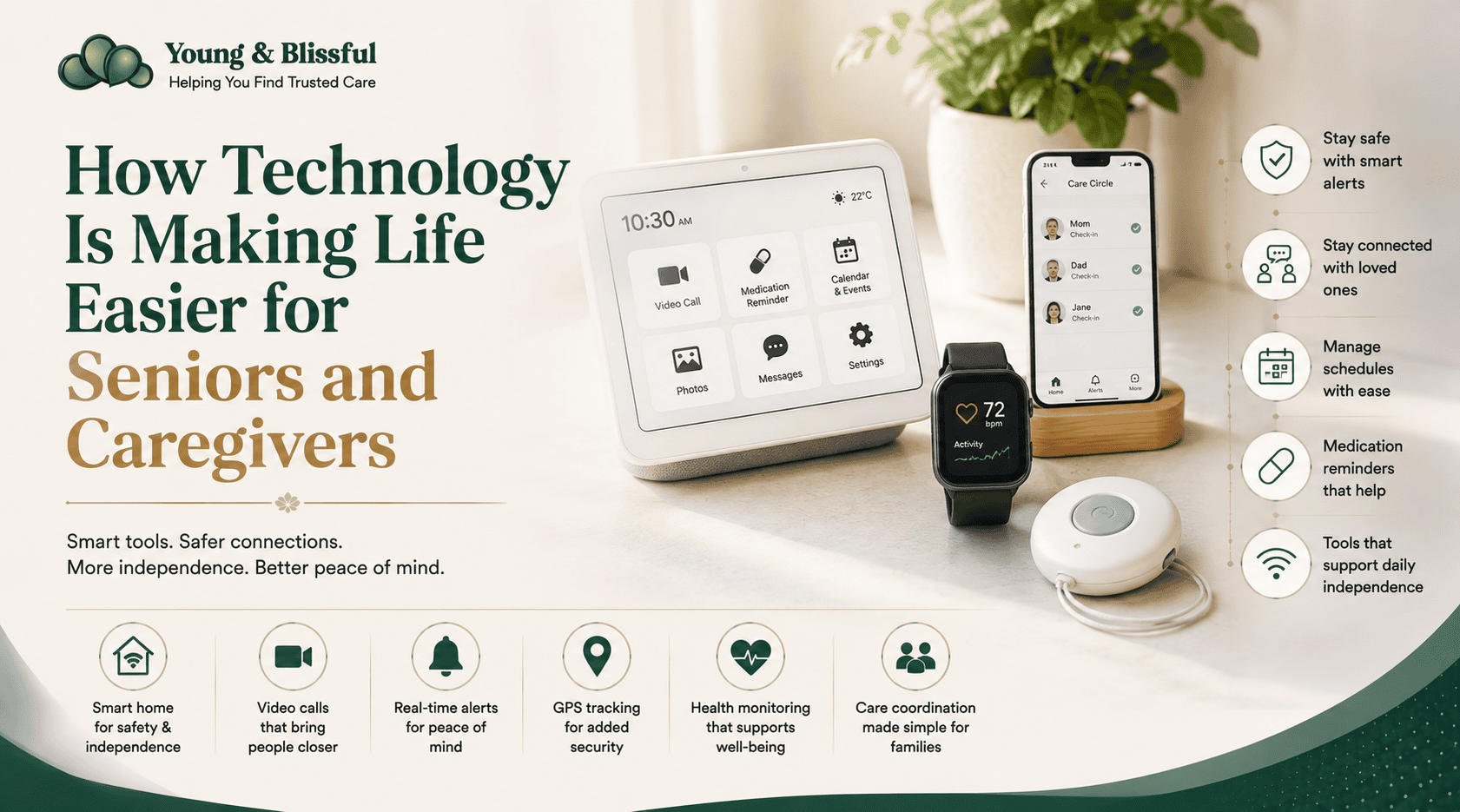
Smart Pill Dispensers and Connected Pillboxes
Smart pill dispensers can remind, dispense, lock, track, or notify caregivers. Some devices give sound or light alerts. Some release only the scheduled dose.
AGE-WELL/envisAGE has highlighted technology projects for aging at home, including a connected clock and Idem pillbox project. The pillbox displays reminders, releases a scheduled dose, uses light signals, detects handling, and can notify caregivers for real-time monitoring.
Smart tools may help when:
- A senior lives alone
- A caregiver cannot visit daily
- Doses are missed
- Double dosing is a concern
- Family wants remote alerts
- The senior is comfortable with technology
Before buying a device, ask:
- Who fills it?
- Does it lock?
- Does it need Wi-Fi?
- Does it need charging?
- Can caregivers receive alerts?
- What happens during a power outage?
- Is there a monthly fee?
- Can the senior open and use it comfortably?
Nursing Support
Some medication needs require nursing support or another regulated health professional. This may include injections, wound-related medication, IV therapy, complex post-hospital changes, or medication teaching after discharge.
Ontario Health atHome lists nursing and personal support among services that may be provided after assessment for eligible residents. It also describes Rapid Response Nurses as helping patients after hospital discharge by reviewing prescribed medications, explaining what they are used for, discussing side effects, and teaching how to take them correctly.
Families should ask a doctor, pharmacist, nurse, or Ontario Health atHome care coordinator what level of support is needed.
Caregiver Check-Ins
Caregiver check-ins can be simple and respectful.
A caregiver may:
- Call after breakfast and dinner
- Check the blister pack during visits
- Refill water near medications
- Confirm pharmacy refills
- Watch for side effects
- Bring questions to the pharmacist
- Track missed doses
- Help update the medication list
The goal is support, not control. Include the senior in decisions whenever possible.
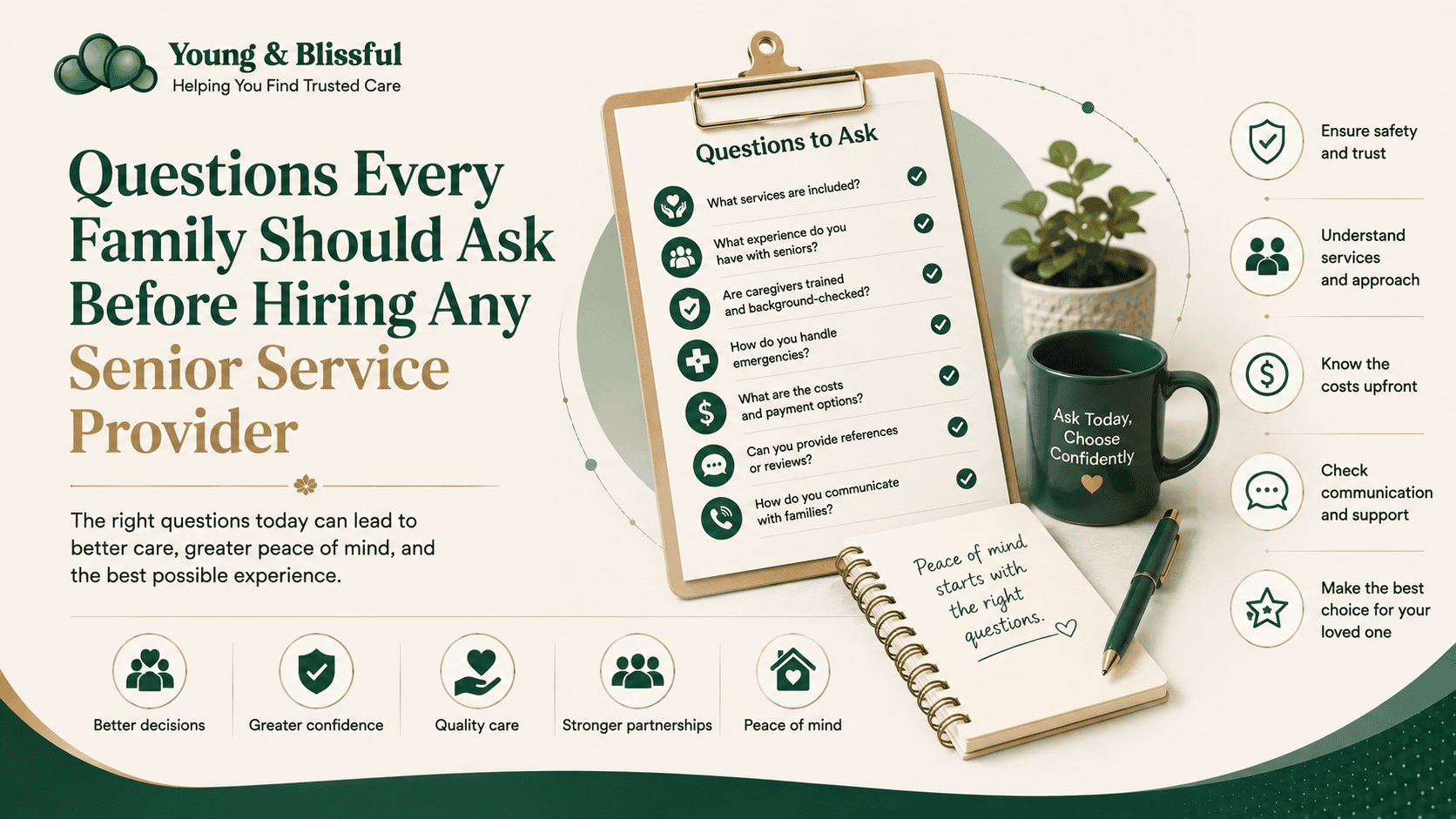
What Should Families Ask the Pharmacy?
The pharmacist is often the easiest professional to contact for medication questions.
Ask:
- Can we book a medication review?
- Does the senior qualify for MedsCheck?
- Can you prepare blister packs?
- Can you align refills so medications renew together?
- Are any medications duplicates?
- Are there possible side effects or interactions?
- Should any medication be taken with food?
- Should any medication be taken at a different time?
- Are there medications that increase dizziness or falls?
- What should we do if a dose is missed?
- Can old or expired medication be returned for disposal?
Ontario’s MedsCheck program lets eligible people meet with a pharmacist to review what they are taking, how medications work together, possible side effects, interactions, and safe use of devices such as inhalers or needles.
When Should Families Consider Nursing or Home Care Support?
Families may want professional support when medication routines become too hard to manage alone.
Consider support if:
- Medication changes after hospital discharge are confusing
- The senior has memory loss
- Pills are found on the floor
- Doses are missed often
- The senior takes the wrong dose
- The senior uses insulin, injections, or complex treatments
- A caregiver is overwhelmed
- Medication side effects are suspected
- The senior lives alone and has limited support
- The family is unsure what is safe
Do not stop, restart, crush, split, or change medication without asking a qualified health professional.
How to Compare Providers Before You Contact Them
Families searching for medication management for seniors at home should compare the type of help needed.
Look at:
- Location and service area: Does the provider serve your city or region?
- Type of support: Pharmacy review, blister packs, nursing, home care, technology setup, or caregiver check-ins?
- Senior experience: Do they regularly support older adults?
- Medication role: Can they remind, assist, administer, review, or teach? These are different roles.
- Professional qualifications: Is a pharmacist, nurse, PSW, or technology helper involved?
- Availability: Can they help daily, weekly, after discharge, or during medication changes?
- Communication: Can they update adult children or caregivers if the senior agrees?
- Technology support: Can they set up reminders, smart dispensers, or phone alerts?
- Pricing transparency: Are rates, fees, delivery costs, and visit minimums clear?
- Safety process: What happens if a dose is missed or the senior seems unwell?
Young & Blissful can help families compare Home Care & Personal Support, Technology Help for Seniors, Medical & Dental Care, and caregiver-support providers across Ontario.
Costs and Considerations in Ontario
Costs vary by provider, service type, location, frequency, and level of support.
Possible costs may include:
- Private home care visits
- Nursing support
- Smart pill dispenser purchase or rental
- Device subscription fees
- Medication delivery fees
- Pharmacy packaging fees, if applicable
- Technology setup help
- Transportation to pharmacy or appointments
Some publicly funded supports may be available after assessment. Ontario Health atHome says Ontario residents with a valid OHIP card are eligible for an assessment to determine access to home and community care supports.
Before booking, ask:
- What is included?
- Is the service covered by OHIP, private insurance, or paid privately?
- Are receipts provided?
- Are there monthly device fees?
- Who fills the pill organizer or dispenser?
- What happens if medication changes?
- Can the service be short-term after hospital discharge?
- Can the provider work with the pharmacy and family doctor?
Common Mistakes to Avoid
Keeping old medication at home.
Old medication can cause confusion. Ask the pharmacy how to return expired or unused medication safely.
Using more than one pharmacy without coordination.
One pharmacy can better track interactions, refills, and medication changes.
Not updating the medication list.
Update the list after every hospital visit, specialist appointment, or prescription change.
Assuming reminders are enough.
Some seniors need supervision, blister packs, or nursing support, not just alarms.
Crushing or splitting pills without asking.
Some medications should not be crushed, split, or opened.
Forgetting over-the-counter products.
Pain relievers, sleep aids, vitamins, herbal products, and cold medicines can matter.
Not asking about side effects.
Dizziness, confusion, sleepiness, nausea, constipation, and falls should be discussed with a pharmacist or doctor.
Provider Checklist
Use this checklist before choosing medication management support in Ontario:
- Does the provider serve your city, neighbourhood, or region?
- Do they work regularly with seniors?
- What type of support do they provide: reminders, blister packs, nursing, pharmacy review, technology setup, or caregiver check-ins?
- Are they clear about what they can and cannot do with medications?
- Is a pharmacist, nurse, PSW, or technology support person involved?
- Can they communicate with family caregivers if the senior agrees?
- Are prices, delivery fees, device fees, and visit minimums clear?
- Do they offer in-home, phone, virtual, or pharmacy-based support?
- Can they help after hospital discharge?
- Can they support memory, vision, hearing, dexterity, or mobility challenges?
- Are reviews or ratings available?
- Do they have a plan for missed doses, side effects, or urgent concerns?
- Is the service appropriate for the senior’s medication routine, comfort, and safety needs?
Related Services to Explore on Young & Blissful
- Home Care & Personal Support — medication reminders, PSW support, companionship, bathing help, meal support, and respite care.
- Technology Help for Seniors — reminder setup, smart pill dispenser support, phone alarms, video calls, and caregiver alerts.
- Medical & Dental Care — pharmacy services, medication reviews, nursing, primary care, and post-hospital follow-up.
- Caregiver Support Programs — care planning, caregiver coaching, respite, and family check-in routines.
- Daily Living & Lifestyle Support — errands, pharmacy pickup, meal help, and appointment support.
- Transportation Services — rides to pharmacy visits, doctor appointments, and medication reviews.
FAQs
What is medication management for seniors at home?
Medication management for seniors at home means organizing, reviewing, reminding, tracking, and safely using medications. It can include medication lists, pill organizers, blister packs, reminder alarms, smart dispensers, pharmacy reviews, nursing support, and caregiver check-ins.
Are blister packs helpful for seniors?
Blister packs can help seniors who take several medications or have different doses at different times of day. They are prepared by a pharmacy and can make it easier to see whether a dose was taken.
What is MedsCheck in Ontario?
MedsCheck is an Ontario pharmacist-led medication review program for eligible people. It allows patients to discuss their medications, side effects, interactions, and safe use with a pharmacist.
Can a PSW give medication to a senior?
It depends on the care plan, provider policy, and the type of medication support needed. Some workers may provide reminders or assistance, while medication administration or complex medication tasks may require a nurse or another regulated health professional.
When should a family consider a smart pill dispenser?
A smart pill dispenser may help if a senior misses doses, takes duplicate doses, lives alone, or needs caregiver alerts. Families should confirm who fills the device, whether it locks, how alerts work, and what happens during power or internet issues.
What should I do if my parent misses a dose?
Do not guess or double the next dose unless a qualified health professional has told you to do so. Call the pharmacy, doctor, nurse, or care team and ask what is safe for that specific medication.
How can I find medication support near me in Ontario?
Search by service type and location, such as pharmacy blister packs near me, medication reminders for seniors, home care medication support, or nursing support near me. Young & Blissful can help families compare local providers across Ontario.
Key Takeaways
- Medication management for seniors at home helps reduce missed doses, double doses, and medication confusion.
- Families should keep an up-to-date medication list and bring it to all appointments.
- Pharmacy blister packs, pill organizers, alarms, smart dispensers, nursing support, and caregiver check-ins can all help.
- Ontario’s MedsCheck program may help eligible seniors review medications with a pharmacist.
- Smart medication tools are growing, but they should match the senior’s comfort, memory, vision, and support needs.
- Medication changes should always be discussed with a qualified health professional.
- Young & Blissful can help families compare home care, technology help, pharmacy-related support, nursing, and caregiver services across Ontario.
Conclusion + CTA
Medication routines can become stressful when a senior takes several prescriptions, lives alone, has memory changes, or recently came home from hospital. A simple plan can make daily life safer and easier.
Start with an updated medication list. Then ask the pharmacy about blister packs, MedsCheck, refill coordination, and safe disposal. If more help is needed, compare home care, nursing support, caregiver check-ins, and technology tools such as reminders or smart pill dispensers.
Young & Blissful helps Ontario seniors, caregivers, and adult children explore Home Care & Personal Support, Technology Help for Seniors, Medical & Dental Care, Daily Living Support, Transportation, and Caregiver Support services. Use it as a starting point to compare local options near you.