When a senior needs help with daily life, families often ask a hard question: is it time for long-term care? In Ontario, long-term care is designed for seniors who can no longer safely manage at home, even with support.
Quick answer: Long-term care is usually needed when a senior has major physical, memory, or safety challenges that require daily supervision and care.
What is long-term care?
Long-term care is a residential care option for older adults who need regular help with personal care, health needs, and daily living. It is different from home care and retirement homes because it provides a higher level of ongoing support.
Long-term care homes usually offer:
- 24-hour supervision
- Help with bathing, dressing, and eating
- Medication support
- Nursing and personal care
- Meals and housekeeping
- Social and recreational programming
How long-term care differs from home care and retirement homes
Home care supports seniors in their own home. Retirement homes offer housing with support services. Long-term care is for people who need more consistent and supervised care than either of those options can provide.
That is why families often move step by step. A senior may start with home care, then move to a retirement home, and later require long-term care.
Who needs long-term care in Ontario?
Not every senior who needs help will need long-term care. But some signs suggest a higher level of care is becoming necessary.
Physical signs
A senior may need long-term care if they:
- Fall often
- Cannot safely walk or transfer without help
- Need help eating or using the bathroom
- Have serious mobility limits
- Are recovering poorly from illness or surgery
Cognitive signs
Memory changes can also affect the need for care. A senior may need long-term care if they:
- Get lost in familiar places
- Forget to take medication
- Leave stoves or doors unsafe
- Show confusion that affects daily life
- Need constant reminders or supervision
Safety signs
Long-term care may be needed if:
- The senior is living alone unsafely
- Family caregivers cannot provide enough support
- There are repeated emergencies or hospital visits
- The person is not eating, bathing, or taking medication properly
How do families know it is time?
This decision is often emotional. Many families wait too long because they hope things will improve. But the signs usually become clearer over time.
Daily living challenges
If a senior can no longer manage meals, hygiene, mobility, or medication routines, care needs may have moved beyond what home support can handle.
Caregiver burnout
Family caregivers often do their best for a long time. But when the stress becomes too much, it can affect everyone’s health and safety.
Repeated hospital visits
A pattern of falls, dehydration, infections, or confusion-related crises may signal that a more structured care setting is needed.
What does long-term care include?
Long-term care homes are designed for seniors with more complex support needs.
Medical support
Residents may receive nursing care, medication support, and monitoring for ongoing health conditions.
Personal support
Staff help with bathing, dressing, toileting, meals, and movement.
Daily living services
Most long-term care homes also provide:
- Meals
- Housekeeping
- Laundry
- Activities
- Social interaction
- Safety monitoring
This can offer peace of mind for families who can no longer manage care alone.
How much does long-term care cost in Ontario?
Costs depend on whether the care is publicly funded and what extras are chosen.
Publicly funded long-term care
Ontario has regulated rates for long-term care based on room type. Shared rooms usually cost less than private rooms.
Private costs and extra services
Families may also pay extra for:
- Private room upgrades
- Personal services
- Special programs
- Additional supplies or amenities
It is important to ask for a full fee breakdown before making a decision.
How to choose the right care path
Choosing long-term care is not only about need. It is also about fit, location, and comfort.
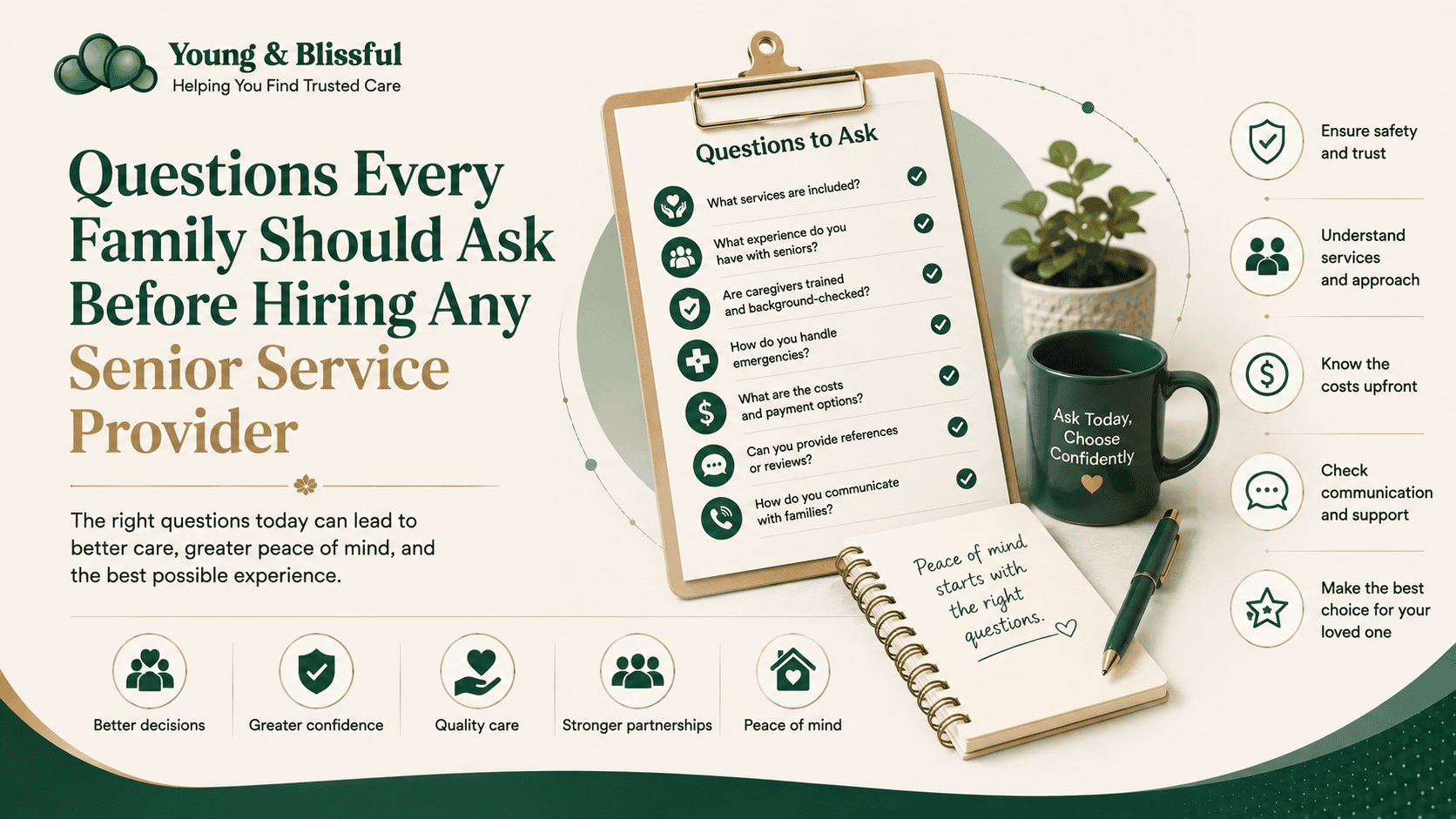
What questions to ask
- What level of care is provided?
- What is included in the monthly cost?
- How are staff trained?
- What happens if care needs increase?
- How are families kept informed?
How to compare providers
Compare:
- Location
- Reputation
- Staff quality
- Safety
- Room options
- Service transparency
A trusted Ontario directory like Young & Blissful Marketplace can help families find verified providers and compare care options near them.
Common mistakes to avoid
Delaying care
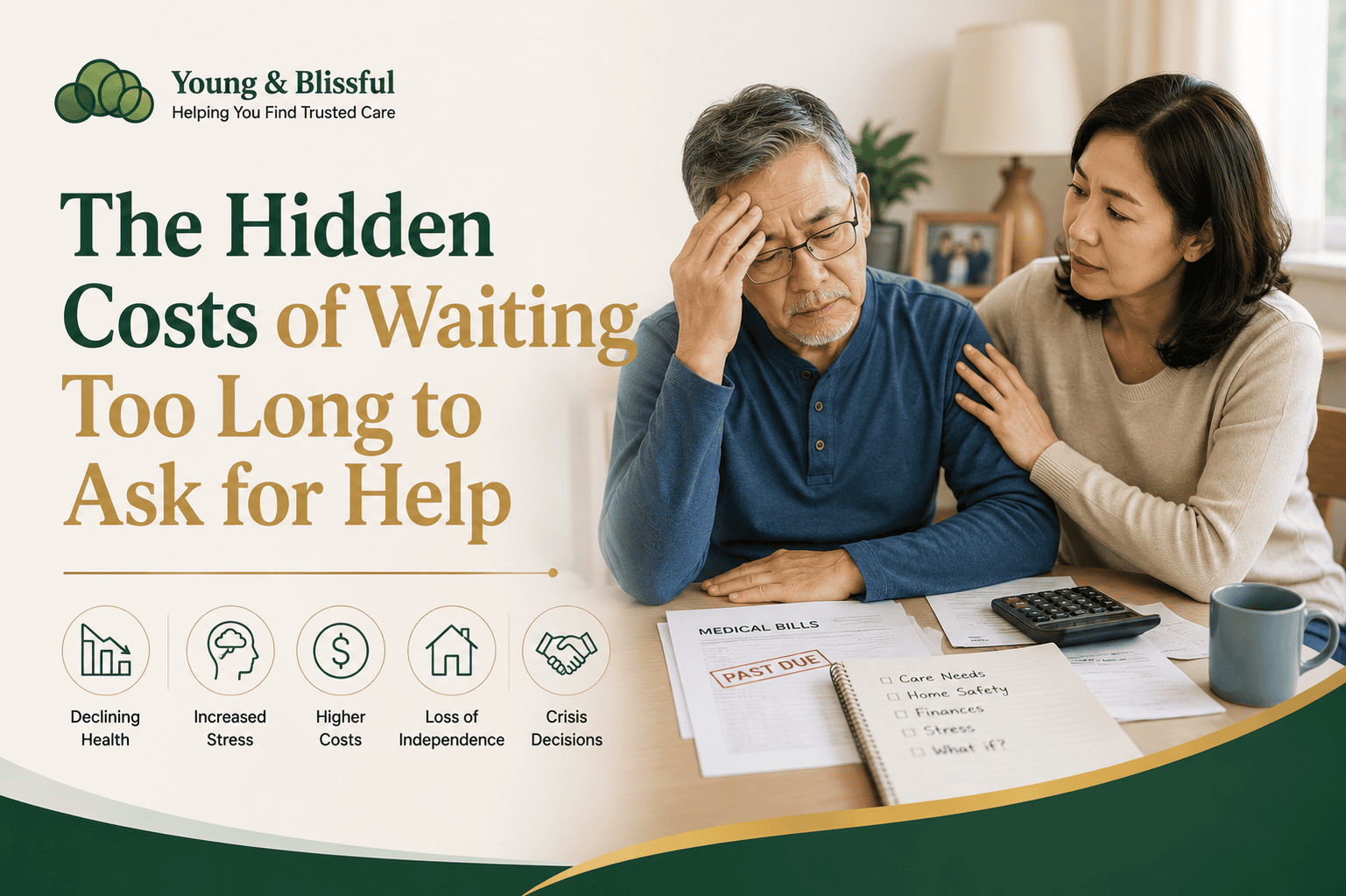
Waiting too long can lead to emergency placements and more stress for everyone.
Ignoring safety risks
If a senior is falling, forgetting medication, or getting confused often, the issue should be taken seriously.
Not planning ahead
It helps to explore care options early, before a crisis forces a rushed decision.
FAQ
1. What is the main purpose of long-term care?
Long-term care supports seniors who need daily help, supervision, and health-related support.
2. Is long-term care the same as a retirement home?
No. Retirement homes usually offer less intensive support than long-term care homes.
3. Can someone with dementia live in long-term care?
Yes. Many long-term care homes support residents with memory-related needs.
4. How do I know if my parent needs long-term care?
If safety, mobility, memory, or daily care are becoming hard to manage, long-term care may be worth exploring.
5. Are long-term care homes expensive in Ontario?
Costs vary based on room type and services. Public rates are regulated, but extras may add to the total.
Key Takeaways
- Long-term care is for seniors with high daily care needs.
- It differs from home care and retirement homes.
- Safety, memory, and mobility issues are common reasons families consider it.
- Ontario families should compare costs, services, and location.
- Early planning makes the transition easier.
Conclusion + CTA
Long-term care can provide the support, safety, and structure some seniors need when home is no longer enough. If your family is exploring care options in Ontario, take time to compare services and ask the right questions.
Find verified providers near you on Young & Blissful Marketplace and explore trusted care options in Ontario.