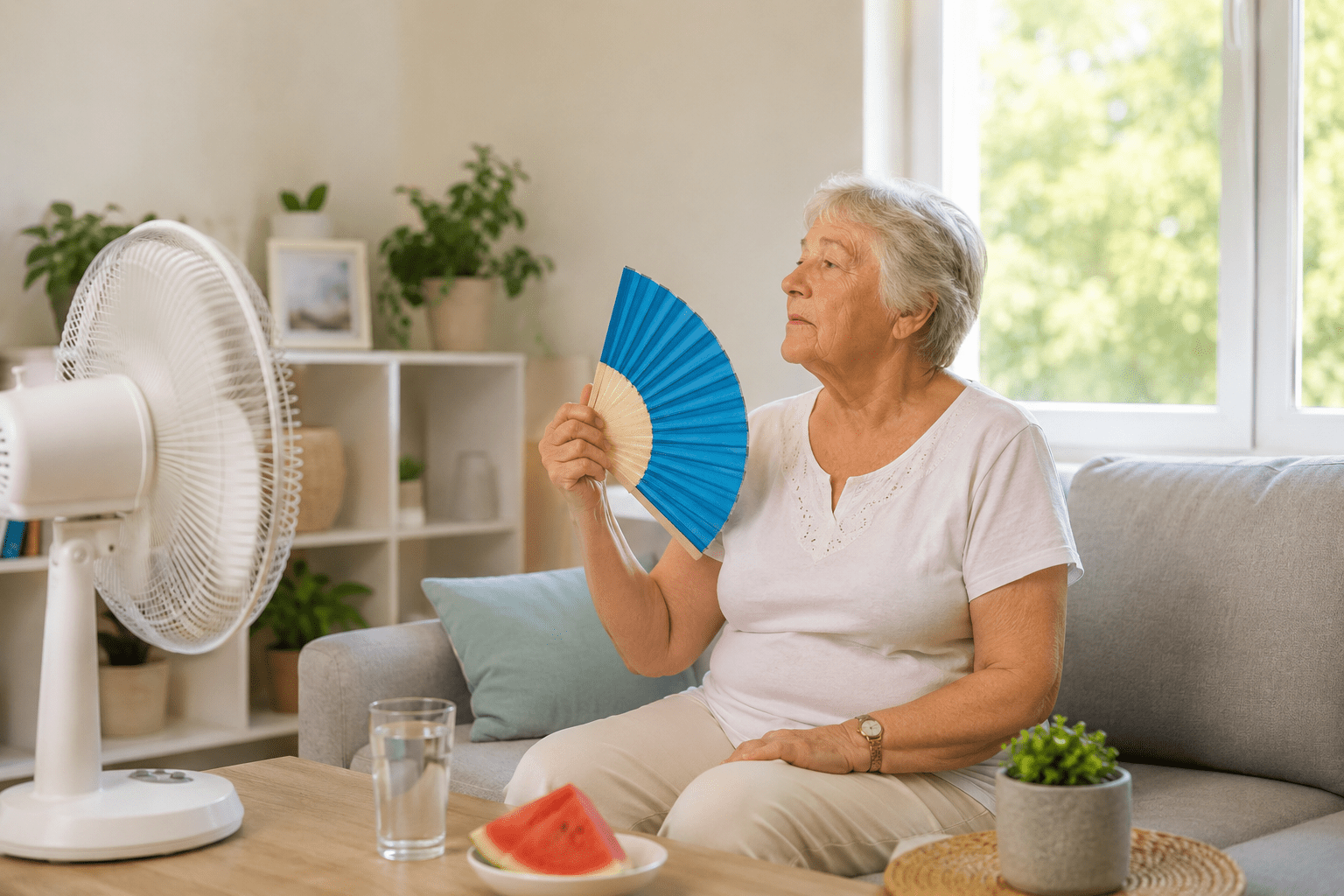
Extreme heat safety for seniors in Ontario means preparing the home, care routine, transportation, meals, medication plan, and check-ins before a heat alert happens. Older adults are at higher risk during extreme heat, especially if they live alone, have chronic health conditions, take certain medications, or do not have reliable cooling at home.
This guide is for seniors, adult children, family caregivers, and home care supporters who want a simple summer safety plan.
Health Canada says heat-related illnesses are preventable, but the health risks are greatest for people over 65, people with chronic conditions, young children, and people working or exercising in heat.
Quick Answer
- Seniors should have a heat plan before hot weather starts.
- The plan should include water, cooling options, medication review, transportation, meals, and daily check-ins.
- Families should check local weather alerts, local public health guidance, and municipal cooling supports.
- Health Canada advises regular wellness check-ins during extreme heat, including in-person, phone, or virtual visits several times daily.
- Heat stroke is a medical emergency. Call 911 if someone has a high body temperature and is confused, unconscious, or has stopped sweating.
What Is Extreme Heat Safety for Seniors?
Extreme heat safety for seniors means reducing the chance of heat illness during very hot weather. It includes keeping the body cool, drinking enough water, avoiding the hottest parts of the day, checking medications, and making sure the home does not become dangerously hot.
For Ontario families, this may include:
- Checking local heat alerts
- Making sure air conditioning works
- Finding nearby cooling centres
- Arranging transportation
- Preparing no-cook meals
- Setting up daily welfare checks
- Reviewing medication risks with a pharmacist or doctor
- Watching for heat exhaustion and heat stroke
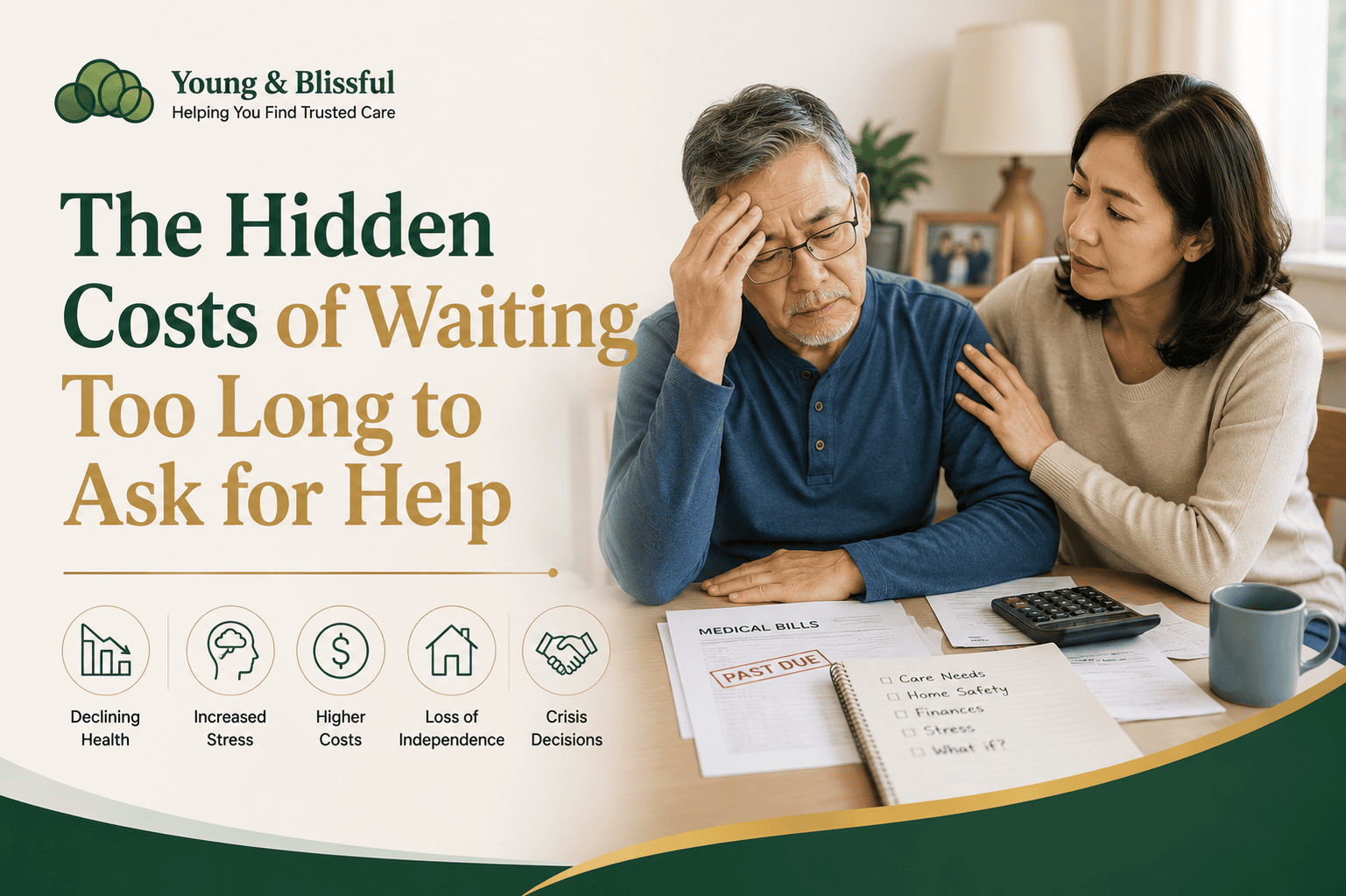
Extreme heat planning should be done before the first major heat wave. During a heat alert, families may have less time to arrange transportation, home care, meal delivery, or cooling support.
Why Extreme Heat Matters for Seniors and Caregivers
Extreme heat can affect anyone, but seniors may face added risks. Health Canada notes that older adults may be at increased risk because of chronic illness, medications that affect the body’s cooling, social isolation, and poverty.
Heat can also worsen daily challenges. A senior who is usually independent may struggle with:
- Walking to the store
- Cooking in a hot kitchen
- Remembering to drink water
- Sleeping in a warm apartment
- Getting to medical appointments
- Knowing when symptoms are serious
Health Canada’s national data found 38,398 emergency department visits with at least one heat-related illness diagnosis between 2004 and 2023. The same report found that hospitalization rates with a heat-related diagnosis were highest among people aged 80 and older.
For caregivers, the goal is not to panic. The goal is to prepare early.
How Can Families Prepare a Senior’s Home for Extreme Heat?
A good heat plan covers the home, body, care routine, and emergency steps.
Hydration Plan
Seniors should drink water regularly before feeling thirsty. Health Canada says thirst is not a good sign of dehydration and recommends drinking plenty of water before thirst starts.
Caregivers can help by:
- Keeping water beside the bed, chair, and kitchen table
- Using a refillable bottle with time markings
- Offering water with medications, meals, and snacks
- Adding fruit, cucumber, or mint if plain water is not appealing
- Encouraging water-rich foods such as fruit and vegetables
- Watching for dark urine, dizziness, headache, or extreme thirst
Some seniors have fluid limits because of heart, kidney, or other medical conditions. In those cases, families should ask a doctor, nurse practitioner, or pharmacist what amount of fluid is safe.
Cooling Centres and Air-Conditioned Spaces
Not every senior has air conditioning. Before a heat alert, families should identify safe cooling options nearby.
These may include:
- Municipal cooling centres
- Public libraries
- Community centres
- Shopping malls
- Places of worship
- Swimming pools
- Air-conditioned family homes
- Senior centres
The Government of Canada advises families to check with their city or municipality because many local governments offer cooling centres, extended pool hours, or transportation services during extreme heat events.
If a senior has mobility concerns, plan the ride before the heat alert. Do not wait until the apartment is already too hot.
Air Conditioning, Fans, Curtains, and Windows
If the senior has air conditioning, test it before hot weather starts. Make sure the remote works, the filter is clean, and the senior knows how to turn it on.
If there is no air conditioner:
- Close curtains and blinds during the day
- Block direct sun
- Open windows at night only if it is safe and cooler outside
- Use cool showers or baths
- Spend time in air-conditioned public spaces
- Avoid using the oven
Health Canada says fans can help people feel more comfortable, but they are ineffective at cooling the body when temperatures are over 35°C.
This is important for seniors in hot apartments. A fan alone may not be enough during extreme heat.
Medication and Health Considerations
Some health conditions and medications can increase heat risk. Health Canada advises people taking medication or living with a health condition to ask a doctor or pharmacist whether heat increases their health risk.
Families should ask about heat safety if the senior has:
- Heart problems
- Breathing problems
- Kidney problems
- Hypertension
- Parkinson’s disease
- Mental health conditions
- Diabetes or other chronic illness
- Memory changes
Do not stop or change medication without medical advice. Instead, ask a pharmacist whether the medication affects sweating, hydration, dizziness, blood pressure, or heat tolerance.
Transportation During Heat Alerts
Transportation is part of heat safety. A senior may need a ride to:
- A cooling centre
- Medical appointments
- The pharmacy
- A family member’s air-conditioned home
- Adult day programs
- Grocery pickup
- Community support services
If you are searching for senior transportation near me in Ontario, ask whether the provider offers door-to-door support, accessible vehicles, appointment waiting, and help getting safely from the home to the vehicle.
In cities such as Toronto, Mississauga, Brampton, Hamilton, Ottawa, Markham, Vaughan, Durham Region, Kitchener-Waterloo, and Niagara Region, availability may vary by neighbourhood and time of day.
Welfare Checks and Daily Calls
Welfare checks are simple but important. During extreme heat, seniors living alone may need more than one check-in per day.
A caregiver check-in should ask:
- Is the home cool?
- Have you had water today?
- What did you eat?
- Are you dizzy, confused, weak, or nauseated?
- Is the air conditioner working?
- Do you need a ride to a cooling place?
- Do you have medications, food, and water?
Health Canada recommends arranging regular check-ins by family, friends, and neighbours during very hot days, including phone or video check-ins.
Meal Delivery and No-Cook Meals
Cooking can make the home hotter. During heat waves, plan easy meals that do not need the oven.
Good options may include:
- Sandwiches
- Salads
- Yogurt
- Fruit
- Cold pasta
- Prepared meals
- Smoothies
- Cottage cheese
- Pre-cut vegetables
- Meal delivery
Health Canada recommends preparing meals that do not need to be cooked in the oven during hot weather.
Meal delivery, grocery delivery, or help from a caregiver can reduce the need for a senior to go outside during the hottest part of the day.
Emergency Signs to Watch For
Families should know the difference between heat discomfort and a medical emergency.
Health Canada lists heat illness symptoms such as high body temperature, confusion, lack of coordination, muscle cramps, dizziness or fainting, nausea or vomiting, heavy sweating, headache, rapid breathing and heartbeat, extreme thirst, dark urine, and decreased urination.
Move the person to a cool place and offer water if they have heat illness symptoms and are awake and able to drink.
Call 911 right away if there are signs of heat stroke, including:
- High body temperature
- Confusion
- Lack of coordination
- Fainting or unconsciousness
- Very hot, red skin
- No sweating
Health Canada says heat stroke is a medical emergency and advises cooling the person right away while waiting for help by moving them to a cool place, applying cold water to large areas of skin, and fanning them as much as possible.
How to Compare Providers Before You Contact Them
Families may need help preparing for extreme heat, especially if a senior lives alone or has mobility, memory, or health concerns.
Compare providers based on:
- Location and service area: Do they serve your city or neighbourhood?
- Availability: Can they help during heat alerts, weekends, or evenings?
- Experience with seniors: Do they support older adults at home?
- Services offered: Do they help with meals, rides, check-ins, bathing, hydration reminders, or errands?
- In-home, virtual, or hybrid support: Can they call, visit, or coordinate with family?
- Pricing transparency: Are rates, minimum hours, and travel fees clear?
- Reviews or ratings: Can families see feedback?
- Safety and credentials: Are screening, insurance, training, or professional credentials explained where relevant?
- Communication: Can they update adult children or caregivers?
- Emergency process: What do they do if a senior seems unwell?
You can use Young & Blissful to compare providers by category, location, availability, and service type across Ontario.
Services You May Want to Compare
Families preparing for summer heat may want to compare:
- Daily Living & Lifestyle Support: meal delivery, grocery help, errands, light housekeeping, and check-ins.
- Home Care & Personal Support: PSW support, bathing help, dressing support, hydration reminders, companionship, and respite.
- Transportation Services: rides to cooling centres, medical appointments, pharmacies, and family homes.
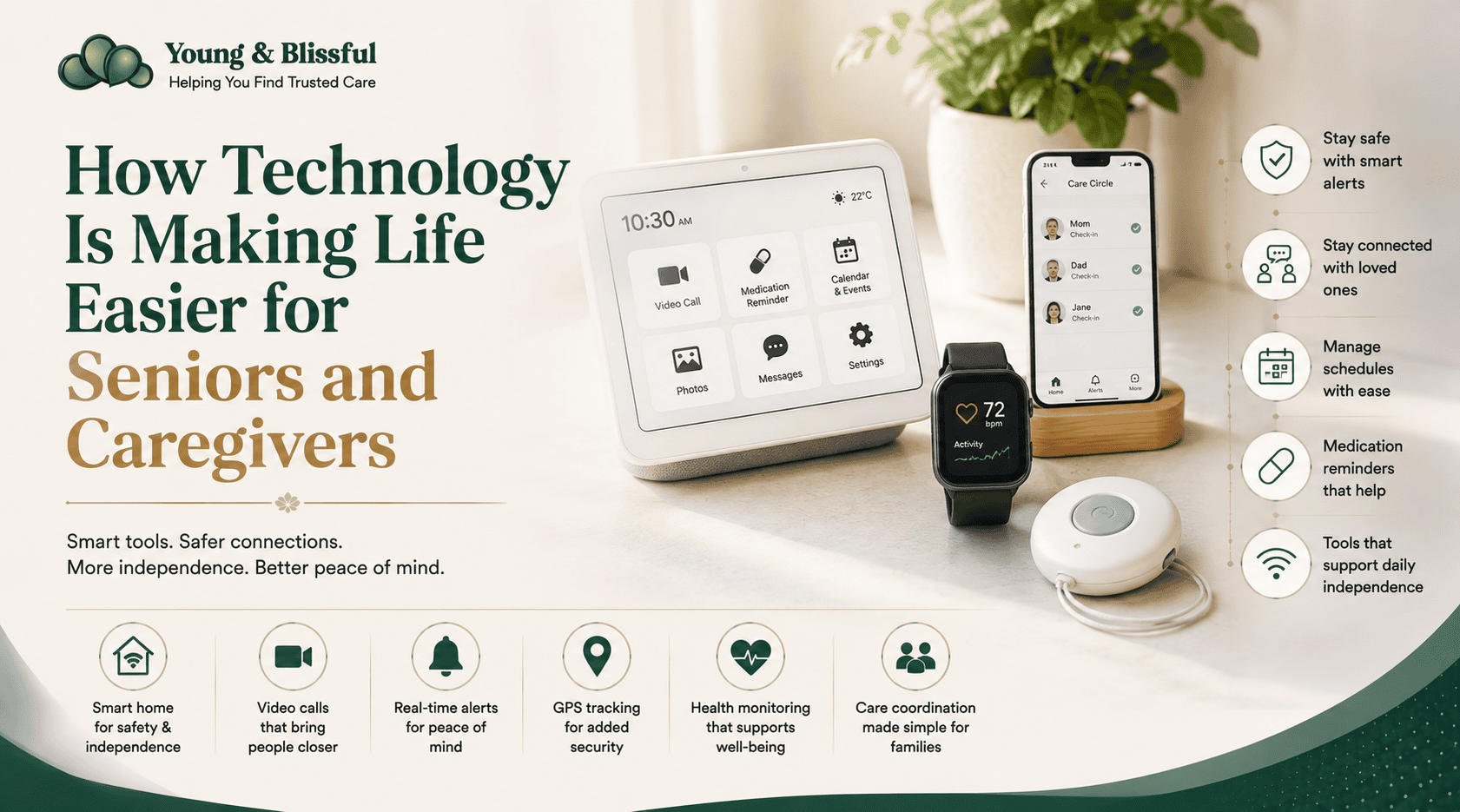
- Technology Help for Seniors: weather alert setup, phone reminders, video calls, and emergency contact lists.
- Medical & Dental Care: pharmacist medication reviews, primary care follow-up, and health advice.
- Mobility & Accessibility: walkers, grab bars, emergency alert systems, cooling products, and home safety items.
- Caregiver Support Programs: planning help for adult children and caregiver spouses.
Costs and Considerations in Ontario
Costs vary by provider, city, service type, visit length, urgency, and frequency. Home care may be hourly. Transportation may be charged by trip or distance. Meal delivery may be priced per meal, subscription, or delivery fee.
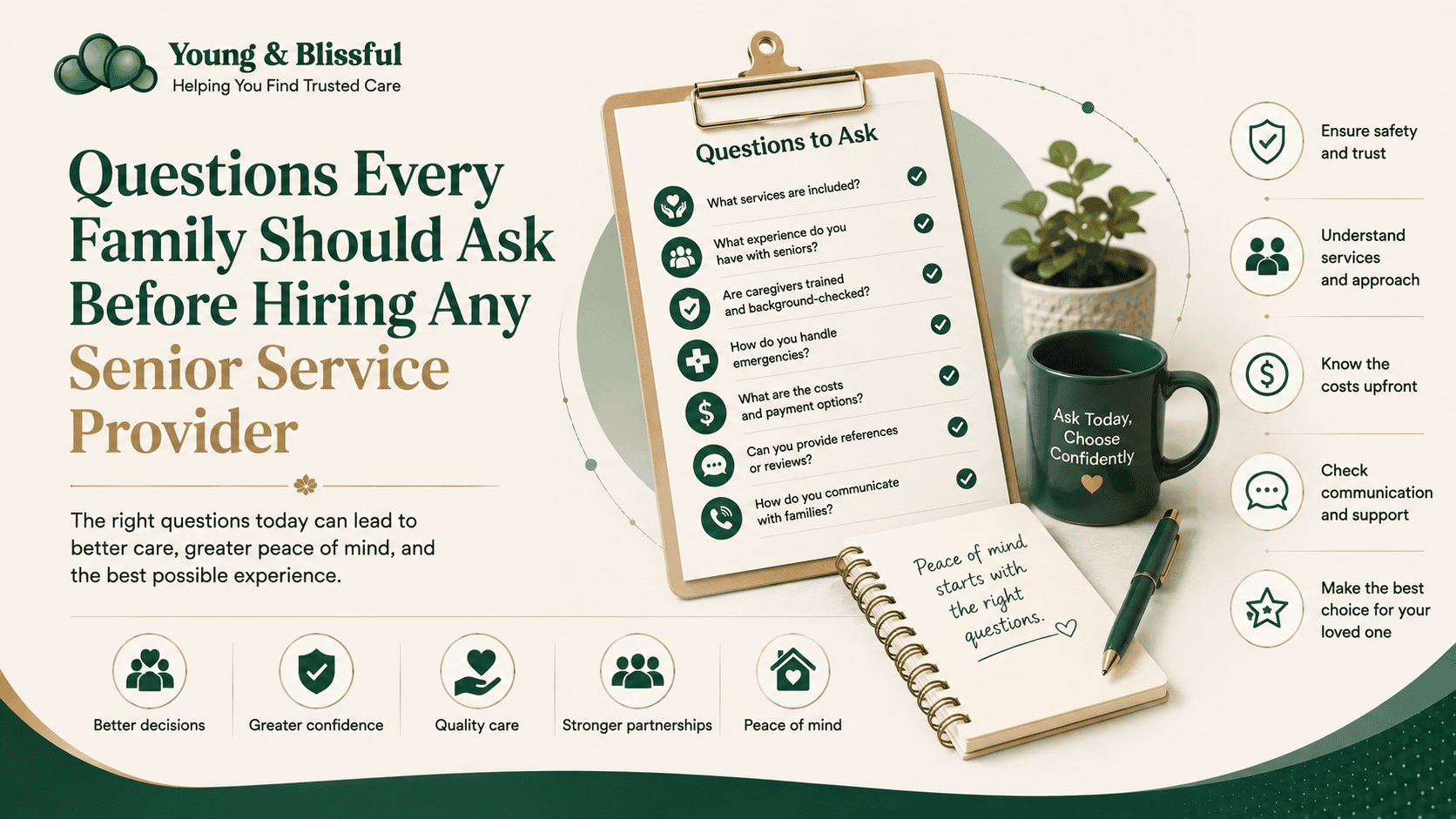
Before booking, ask:
- What is included?
- Is there a minimum visit length?
- Are evening, weekend, or urgent visits more expensive?
- Can the provider do short-term heat-alert support?
- Can they check hydration, meals, and home temperature?
- Can they contact family if there is a concern?
- Are receipts available for insurance or tax purposes?
- What happens if the provider cannot visit during a heat alert?
For health, medication, or emergency questions, speak with a qualified health professional or call emergency services when needed.
Tips for Seniors, Caregivers, and Adult Children
Make the plan simple. A heat plan should fit on one page.
Include:
- Emergency contacts
- Doctor and pharmacy numbers
- Air conditioner instructions
- Cooling centre address
- Transportation phone number
- Daily check-in schedule
- Medication notes
- Meal plan
- Warning signs
- 911 instructions
Place the plan on the fridge or near the phone.
Adult children should also check the home before summer:
- Is the AC working?
- Are curtains or blinds blocking sun?
- Is there water within reach?
- Are groceries stocked?
- Is the phone charged?
- Are emergency numbers visible?
- Is there a backup plan if the power goes out?
Common Mistakes to Avoid
Waiting for the first heat warning.
Plan before the heat arrives.
Relying only on a fan.
Fans may not cool the body enough when temperatures are very high.
Forgetting medication risks.
Ask a pharmacist or doctor whether medication or health conditions increase heat risk.
Not checking at night.
Indoor temperatures can stay warm even after outdoor temperatures cool. Health Canada advises continuing to monitor the home and symptoms after a heat event.
Letting the senior skip meals.
Low appetite is common in heat, but light meals and fluids still matter.
Assuming the senior will ask for help.
Some older adults may not notice symptoms or may not want to bother family.
Ignoring confusion.
Confusion during extreme heat can be serious. Call 911 if heat stroke is suspected.
Provider Checklist
Use this checklist before choosing a heat-safety support provider in Ontario:
- Does the provider serve your city, neighbourhood, or region?
- Do they work regularly with seniors?
- Can they provide short-term support during heat alerts?
- Do they offer in-home, phone, virtual, or hybrid service?
- Can they help with hydration reminders, meals, errands, or welfare checks?
- Can they provide transportation to cooling centres or appointments?
- Can they communicate with adult children or caregivers?
- Are prices, minimum hours, and cancellation rules clear?
- Are reviews or ratings available?
- Are credentials, insurance, screening, or safety practices explained where relevant?
- Do they have a process if the senior appears unwell?
- Is the service appropriate for the senior’s mobility, memory, language, hearing, vision, and comfort level?
Related Services to Explore on Young & Blissful
- Daily Living & Lifestyle Support — meal delivery, grocery help, errands, housekeeping, companionship, and check-ins.
- Home Care & Personal Support — PSW support, bathing help, hydration reminders, respite care, and daily routines.
- Transportation Services — rides to cooling centres, medical appointments, pharmacies, and family homes.
- Technology Help for Seniors — weather alerts, phone reminders, emergency contacts, and video check-ins.
- Medical & Dental Care — pharmacist reviews, primary care support, and medication questions.
- Mobility & Accessibility — emergency alert systems, mobility aids, grab bars, and home safety supports.
FAQs
What is extreme heat safety for seniors in Ontario?
Extreme heat safety means preparing a senior’s home, care routine, meals, hydration, transportation, and emergency plan before very hot weather. It helps reduce the risk of heat exhaustion, heat stroke, dehydration, and unsafe conditions at home.
Why are seniors at higher risk during extreme heat?
Older adults may have chronic health conditions, take medications that affect cooling, live alone, or have limited access to air conditioning. Health Canada says older adults can face increased risk because of chronic illness, medications, social isolation, and poverty.
How often should caregivers check on seniors during a heat wave?
During extreme heat, caregivers should check in at least daily, and more often for seniors who live alone, do not have AC, have memory concerns, or have chronic illness. The Government of Canada recommends regular wellness check-ins several times daily during extreme heat events.
Are fans enough to keep seniors safe in extreme heat?
Fans may help comfort, but they may not be enough during very high temperatures. Health Canada says fans are ineffective at cooling the body at temperatures over 35°C.
What are signs of heat exhaustion in seniors?
Signs may include dizziness, fainting, nausea, vomiting, headache, rapid breathing, rapid heartbeat, extreme thirst, muscle cramps, dark urine, decreased urination, heavy sweating, confusion, and lack of coordination. Move the person to a cool place and offer water if they are awake and able to drink.
When should families call 911 during extreme heat?
Call 911 if a senior has a high body temperature and is confused, unconscious, fainting, lacking coordination, or has very hot red skin with no sweating. Heat stroke is a medical emergency.
How can I find heat safety support near me in Ontario?
Search by service and location, such as senior transportation near me, meal delivery for seniors, home care near me, or technology help for seniors. Young & Blissful can help families compare local providers across Ontario by category, location, and service type.
Key Takeaways
- Extreme heat safety for seniors in Ontario starts before a heat alert.
- Older adults are at higher risk, especially with chronic illness, certain medications, social isolation, or no reliable cooling.
- A family plan should include hydration, cooling spaces, AC checks, medication review, transportation, meal support, and welfare checks.
- Cooling centres, libraries, malls, pools, and community spaces can help when a home is too hot.
- Fans alone may not be enough during very high temperatures.
- Heat stroke is a medical emergency. Call 911 if serious symptoms appear.
- Young & Blissful can help families compare Daily Living, Home Care, Transportation, Technology Help, and Medical support providers in Ontario.
Conclusion + CTA
Extreme heat can be managed with a clear plan. For seniors in Ontario, the best plan is practical: keep water nearby, test the air conditioner, block the sun, identify cooling centres, arrange transportation, prepare no-cook meals, review medications, and schedule daily check-ins.
Families do not need to do everything alone. Local supports can help with meals, rides, home care, technology reminders, and caregiver planning.
Young & Blissful helps seniors, caregivers, and adult children explore Daily Living & Lifestyle Support, Home Care & Personal Support, Transportation, Technology Help, Medical & Dental Care, and Mobility providers across Ontario. Use it as a starting point to compare services near you and build a safer summer plan.