Falls are the leading cause of injury and hospital visits for Ontario seniors over 65, affecting one in three annually. The right fall prevention programs in Ontario can reduce risk by up to 30%, building strength, balance, and confidence for independent living in Toronto, Ottawa, GTA, and smaller communities. This comprehensive guide helps caregivers and families evaluate options, ask the right questions, and choose programs that deliver real results.
Choosing between community classes, in-home assessments, or private training depends on mobility, location, and health status. Free public health programs exist alongside paid physiotherapy-led options. Understanding credentials, structure, and outcomes ensures your loved one gets safe, effective support tailored to Ontario winters, apartment living, and aging realities.
Community Exercise & Falls Prevention Classes Across Ontario
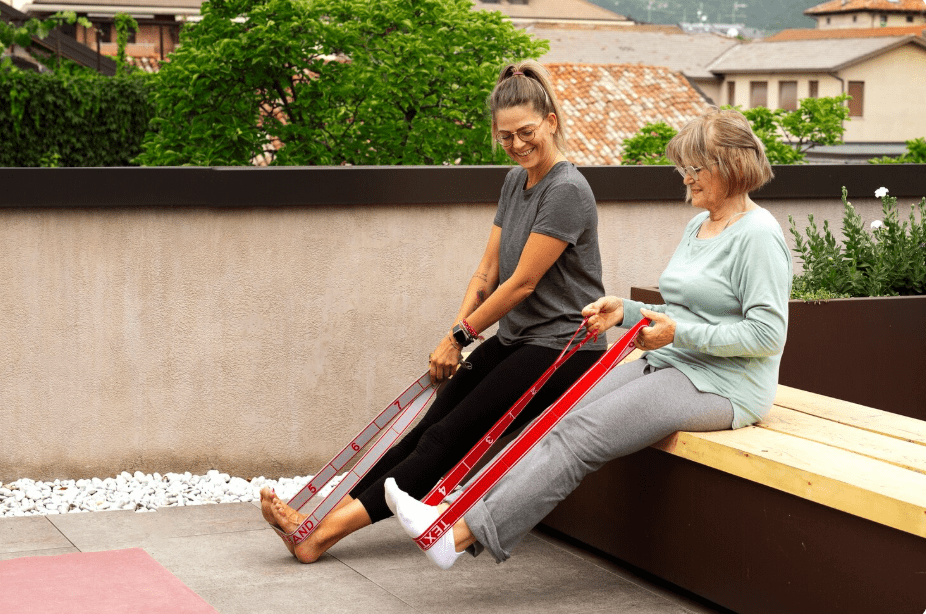
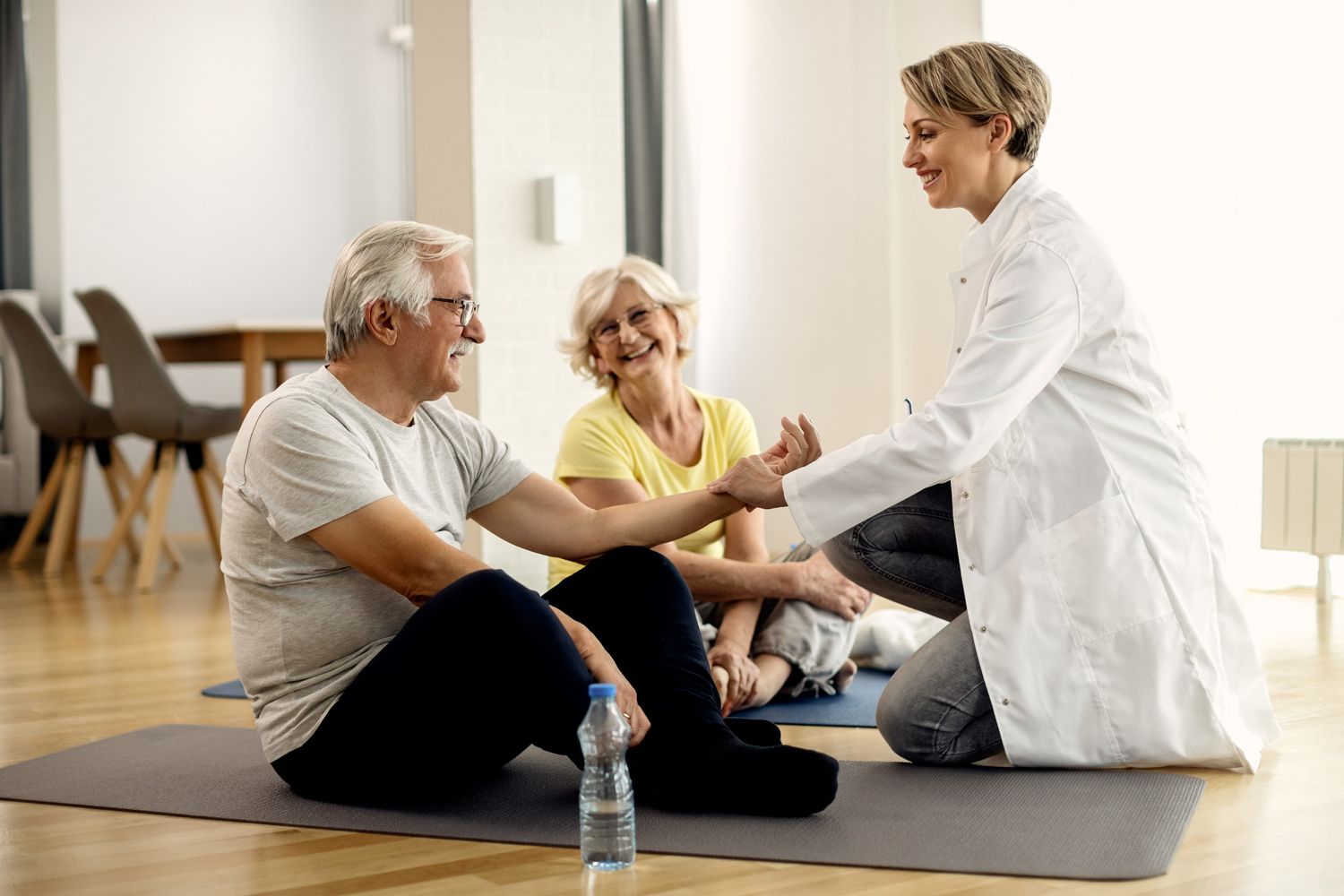
Ontario’s public health units and recreation centres offer evidence-based group classes specifically for seniors. Programs like Strong and Steady, Otago Exercise Program, and Matter of Balance focus on practical skills: rising from chairs, walking heel-toe on icy sidewalks, and single-leg stands with support.
Typical format:
- 60–90 minute sessions, 1–2 times weekly for 8–12 weeks.
- Small groups (8–12 participants) led by physiotherapists, kinesiologists, or certified instructors.
- Progression from seated exercises to standing balance challenges.
Regional availability:
- Toronto: Free classes through Toronto Public Health at community centres in Scarborough, Etobicoke, North York.
- Ottawa: Strong and Steady via Ottawa Public Health, plus YMCA partnerships.
- GTA (Mississauga, Brampton, Vaughan): Recreation departments offer low-cost silver sneaker programs.
- Smaller cities (Kingston, London, Windsor): Hospital outpatient rehab transitions to community classes.
Cost: $0–$150 for full series. Many accept senior discounts or offer sliding scales.
Success factors:
- Pre-screening for heart conditions, recent falls, or joint replacements.
- Partner exercises for social support.
- Home practice sheets with photos and check-off calendars.
Transportation assistance or virtual options make these accessible even in suburban areas. Ask about drop-in trials before committing to full series.
In-Home vs Community-Based Fall Prevention – Which Is Safer for Your Situation?
In-home assessments excel when home hazards contribute to falls:
- Occupational therapists evaluate rugs, lighting, bathroom grab bars, stair contrasts.
- Custom exercises practiced in real environment (kitchen turns, bedroom transfers).
- Ideal for cognitive challenges, post-stroke, or multiple fallers.
Cost: $150–$300 initial assessment + follow-ups.
Community classes build habits and confidence:
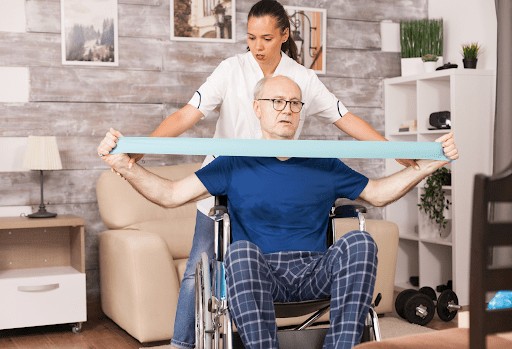
- Specialized equipment (balance pads, resistance bands).
- Group motivation prevents dropout.
- Social connection reduces isolation-related depression.
Cost: Lower per session, but travel required.
Best combination: Home safety audit first, then 8-week community class, followed by quarterly check-ins. For housebound seniors, virtual physio via Zoom with mailed exercise kits works well in rural Ontario.
Decision checklist:
- Can they safely travel to classes?
- Do they need home modifications identified?
- Is social interaction a priority?
- What’s the budget for 3–6 months?
Families often start with public health referrals for seamless transitions between home and community care.
What to Look For in a Fall Prevention Program (Assessment, Progress, Safety)
Quality programs share these hallmarks:
- Medical screening: PAR-Q+ questionnaire, blood pressure check, medication review.
- Individual goals: Timed Up and Go test baseline, retested every 4 weeks.
- Certified leadership: Physiotherapist, exercise physiologist, or Falls Prevention Specialist.
- Evidence-based curriculum: Otago, FAIT, or Canadian Falls Guidelines aligned.
- Safety protocols: AED on site, emergency action plans, fall mats during balance work.
Progress tracking:
- Weekly logs of chair stands, tandem walk distance.
- 30% improvement target in TUG score.
- Home program with 5 daily exercises (5–10 min).
Questions to ask coordinators:
- “How do you adapt for Parkinson’s, hip replacements, or cardiac stents?”
- “What’s your fall rate during classes?”
- “Can family members participate or wait comfortably?”
- “Do you connect to community resources like grab bar installers?”
Reputable programs publish 6-month outcomes and participant testimonials.
Red Flags: What to Avoid in 2026
Steer clear of:
- Generic fitness classes without senior screening.
- Instructors pushing supplements or equipment sales.
- No progression plan or home component.
- Large groups (>15) with minimal supervision.
- Programs ignoring winter-specific skills (icy sidewalks, snow shoveling form).
Verify insurance coverage through OHIP, ADP, or extended health before starting.
Questions Families Ask Most (Featured Snippet Optimized)
How long until I see results? 4–6 weeks with consistent attendance + home practice.
Are these covered by OHIP? Initial PT assessment yes; group classes usually private pay.
What if I fall during class? Certified programs have protocols, insurance, and follow-up care.
Call to action
Don’t wait for a fall to act. Browse verified fall prevention programs Ontario and mobility supports tailored for seniors →